This Ends Insulin Resistance (in days NOT years)
Thomas DeLauerPublished on October 16, 2025
Summary authored by editor@wellifi.com
TLDR Summary
Insulin resistance is a growing health issue that affects many individuals, regardless of body weight. By understanding its mechanisms and implementing strategic lifestyle changes, such as increased physical activity, dietary adjustments, and fasting, you can reverse insulin resistance and improve your overall health.
Key Points
- Insulin resistance affects nearly 44.8% of young adults aged 18 to 44.
- It is not solely a condition for overweight individuals; many lean people also suffer from it.
- Glycation from excess sugar can accelerate aging and damage organs.
- Simple lifestyle changes, like walking after meals and incorporating fiber, can help reverse insulin resistance.
- Supplements like carnosine and TMG can improve insulin sensitivity and metabolic function.
- Intermittent fasting can reset insulin responses and enhance cellular cleanup processes.
Understanding and Overcoming Insulin Resistance
In today's fast-paced world, many individuals find themselves grappling with a condition known as insulin resistance. This isn't just a precursor to diabetes; it's a significant underlying factor in many chronic diseases. In this article, we will explore insulin resistance, its implications, and actionable steps you can take to combat it effectively.
What is Insulin Resistance?
Insulin resistance occurs when your muscle cells begin to ignore insulin's signal to absorb glucose. This leads to high insulin levels as the pancreas works overtime to compensate, often resulting in fatigue, brain fog, and weight gain. The alarming part is that many individuals may not even be aware they are insulin resistant, especially if they have normal fasting glucose levels.
Insulin Resistance vs. Diabetes
It’s crucial to distinguish between insulin resistance and type 2 diabetes. Insulin resistance is like a smoldering fire, while diabetes is when that fire has fully engulfed the house. Addressing insulin resistance early can prevent the progression to diabetes.
The Scope of the Problem
Recent studies reveal that nearly 44.8% of young adults aged 18 to 44 have insulin resistance, and half of those individuals are not obese. This phenomenon, referred to as thin outside fat inside, highlights the need for awareness and preventive measures.
Mechanisms Behind Insulin Resistance
At the cellular level, insulin resistance is linked to a compound called diacylglycerol (DAG), created when fat cells overflow and spill fatty acids into the bloodstream. This sticky substance interferes with the insulin signaling pathway, preventing glucose from entering muscle cells and leading to elevated blood sugar levels.
The Role of Glycation
When excess sugar remains in the bloodstream, it can lead to glycation—a process that damages proteins and accelerates aging. This is a root issue that can affect your overall health, leading to complications such as cardiovascular diseases.
Tools to Combat Insulin Resistance
Now that we understand the problem, let’s discuss some actionable steps to reverse insulin resistance:
- Increase Physical Activity: A simple 15-20 minute walk after meals can activate a secondary pathway that helps open glucose transporters in muscle cells, allowing glucose to enter without relying solely on insulin.
- Utilize Strategic Carbohydrate Timing: Consuming fast-digesting carbs during resistance training can help shuttle glucose directly into muscles, enhancing performance without causing insulin spikes.
- Incorporate Fiber and Protein: Slow down the absorption of carbs and fats by adding soluble fiber (like acacia fiber or psyllium husk) to your meals. This helps prevent the overflow of fatty acids.
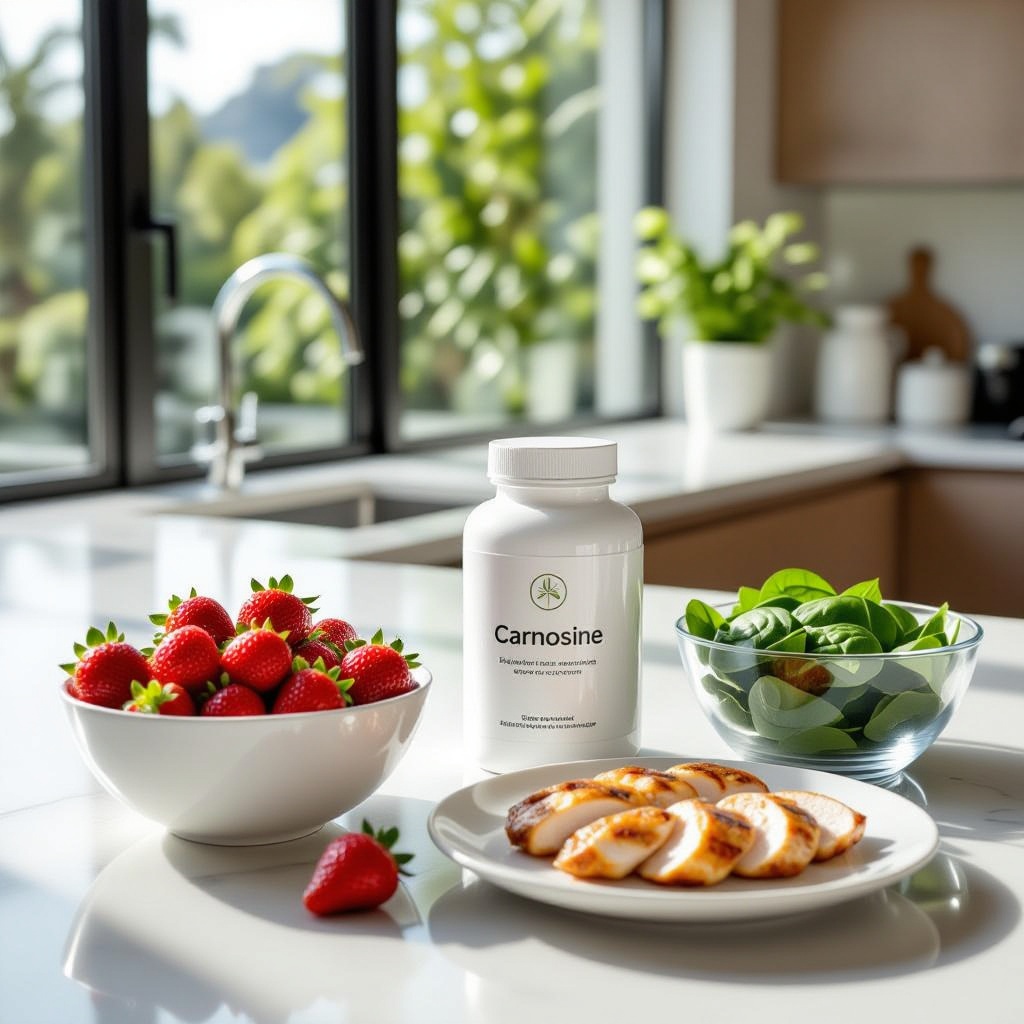
- Use Carnosine: This compound can intercept sticky sugar molecules, protecting tissues from damage caused by high blood sugar.
- Try Trimethyl Glycine (TMG): This supplement supports mitochondrial function and may help your body burn excess fatty acids more effectively.
- Add Cinnamon: Cinnamon can enhance insulin sensitivity, making the insulin you produce more effective at lowering blood sugar.
- Implement Intermittent Fasting: Fasting can reset your body’s insulin response and promote autophagy, helping to clean out accumulated fatty acids.
Conclusion
Insulin resistance is a significant health concern that can affect anyone, regardless of body weight. By understanding the mechanisms behind it and implementing these actionable strategies, you can reclaim your energy and enhance your overall health. Remember, it’s about sending the right signals to your body. By taking a proactive approach, you can effectively manage and reverse insulin resistance.