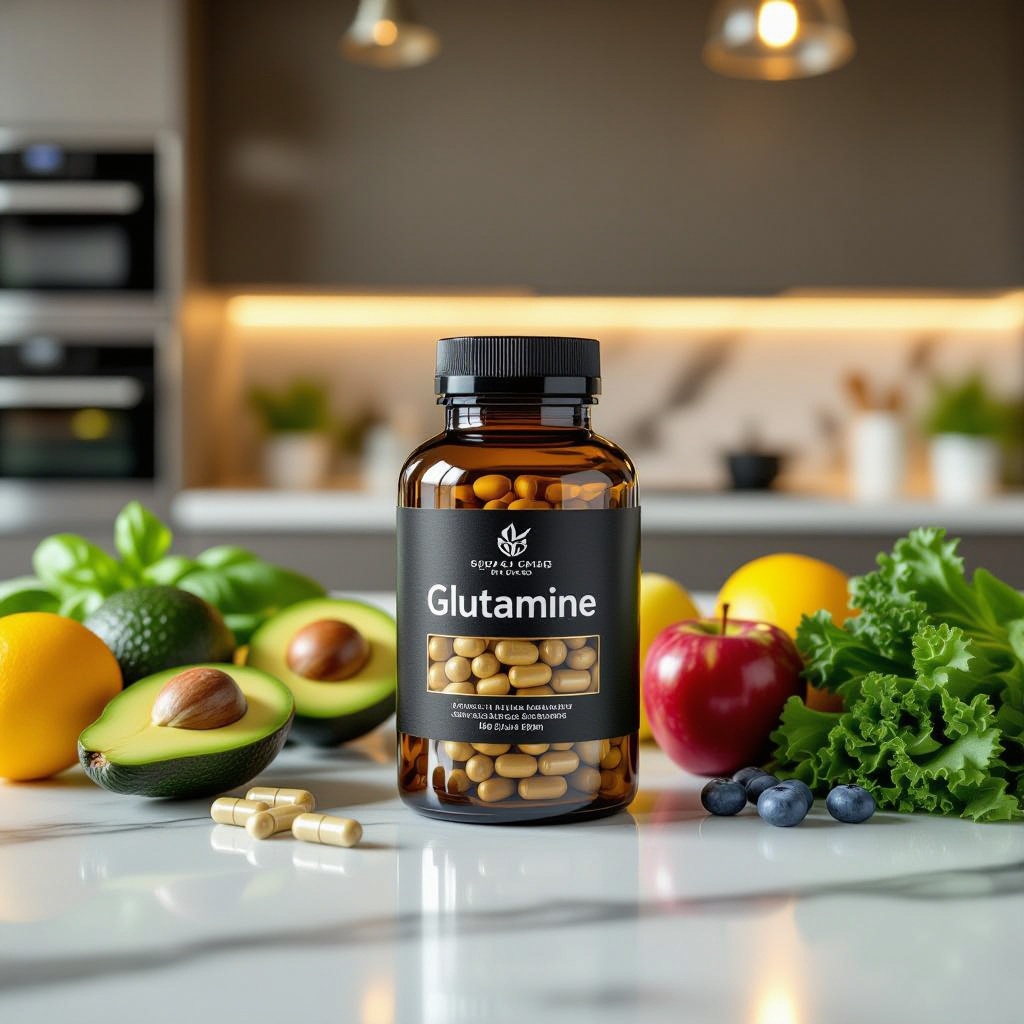
This Stops Anxiety & Cortisol in Their Tracks (for Less Than a Cup of Coffee)
Thomas DeLauerPublished on September 22, 2025
Summary authored by editor@wellifi.com
TLDR Summary
Glutamine supplementation may be more effective than GABA for reducing anxiety due to its role as a precursor to GABA. It is especially beneficial during periods of stress, illness, or injury recovery.
Key Points
- Glutamine may be more effective than GABA for calming effects.
- It serves as a precursor to GABA, helping to boost its levels in the brain.
- Supplementation is beneficial during periods of high stress, injury recovery, or illness.
- GABA supplements may struggle to cross the blood-brain barrier effectively.
- Glutamine is a cost-effective supplement for anxiety reduction.
The Calming Effects of Glutamine: A Natural Approach to Anxiety
If you've ever taken GABA supplements, you know they are designed to help calm you down. However, recent insights suggest that glutamine, an amino acid your body produces naturally, might actually be more effective than GABA for reducing anxiety. In this article, we'll explore how glutamine works, its relationship with GABA, and when and how to use it for optimal benefits.
Understanding GABA and Glutamine
GABA (gamma-aminobutyric acid) is the brain's primary inhibitory neurotransmitter, which means it plays a critical role in calming our nervous system. Conversely, glutamate is the excitatory neurotransmitter that stimulates brain activity. The balance between these two neurotransmitters is crucial for maintaining mental stability.
Glutamine serves as a precursor to GABA, meaning that it can be converted into GABA in the brain. However, when you're stressed or run down, your body may not produce enough glutamine, leading to increased anxiety and difficulty finding calmness. This is where glutamine supplementation comes into play.
The Science Behind Glutamine Supplementation
A recent study published in the FEB Journal found that glutamine supplementation can lead to significant increases in GABA levels—30% in extracellular fluid and 14% in the striatum. This suggests that supplementing with glutamine can effectively boost GABA production, helping to alleviate feelings of anxiety.
How Glutamine Works
When glutamine enters the brain, it is converted to glutamate and then to GABA through a series of biochemical processes. If your body is low in glutamine due to stress, illness, or lack of sleep, it may start to pull glutamine from other areas, such as your muscles, which is not ideal. By supplementing with glutamine, you ensure that your body has adequate supplies to produce GABA without depleting other vital resources.
When and How to Use Glutamine
For those looking to use glutamine as a calming agent, timing and dosage are important. Here are some recommendations:
- During High Stress: When training volume increases or during periods of high stress, consider taking 5 to 10 grams of glutamine per day.
- Injury Recovery: Supplement glutamine if you're dealing with an injury or burn, as it helps fuel recovery processes.
- Illness: When feeling under the weather, increasing glutamine intake can support immune function and help mitigate anxiety.
Why Not Just Take GABA?
While GABA supplements are available, they often struggle to cross the blood-brain barrier effectively. Instead of relying solely on GABA, supporting your body's natural processes with glutamine is a more sustainable approach. Additionally, excess GABA can be broken back down into glutamine, further closing the cycle.
Conclusion
Glutamine is a cost-effective and beneficial supplement that can support GABA production, providing a natural way to reduce anxiety and enhance mental calmness. As we navigate a world filled with stressors, incorporating glutamine into your routine could be a simple yet powerful strategy for maintaining emotional stability.
For those interested in enhancing their overall wellness, consider adding glutamine to your supplement arsenal. It's an easy addition that could yield significant benefits, especially in our increasingly stressful lives.