Top Supplements For Healthy Aging | Andrew Weil, M.D.
Andrew WeilPublished on April 14, 2011
Summary authored by editor@wellifi.com
TLDR Summary
For healthy aging, both men and women benefit from a foundational multivitamin and multimineral supplement, with key antioxidants like Vitamin C, selenium, and Vitamin E being crucial. Women, however, have specific needs for additional iron and calcium to address menstruation and bone health, respectively.
Key Points
- Both men and women share similar nutritional needs for healthy aging, including the need for a basic multivitamin and multimineral supplement.
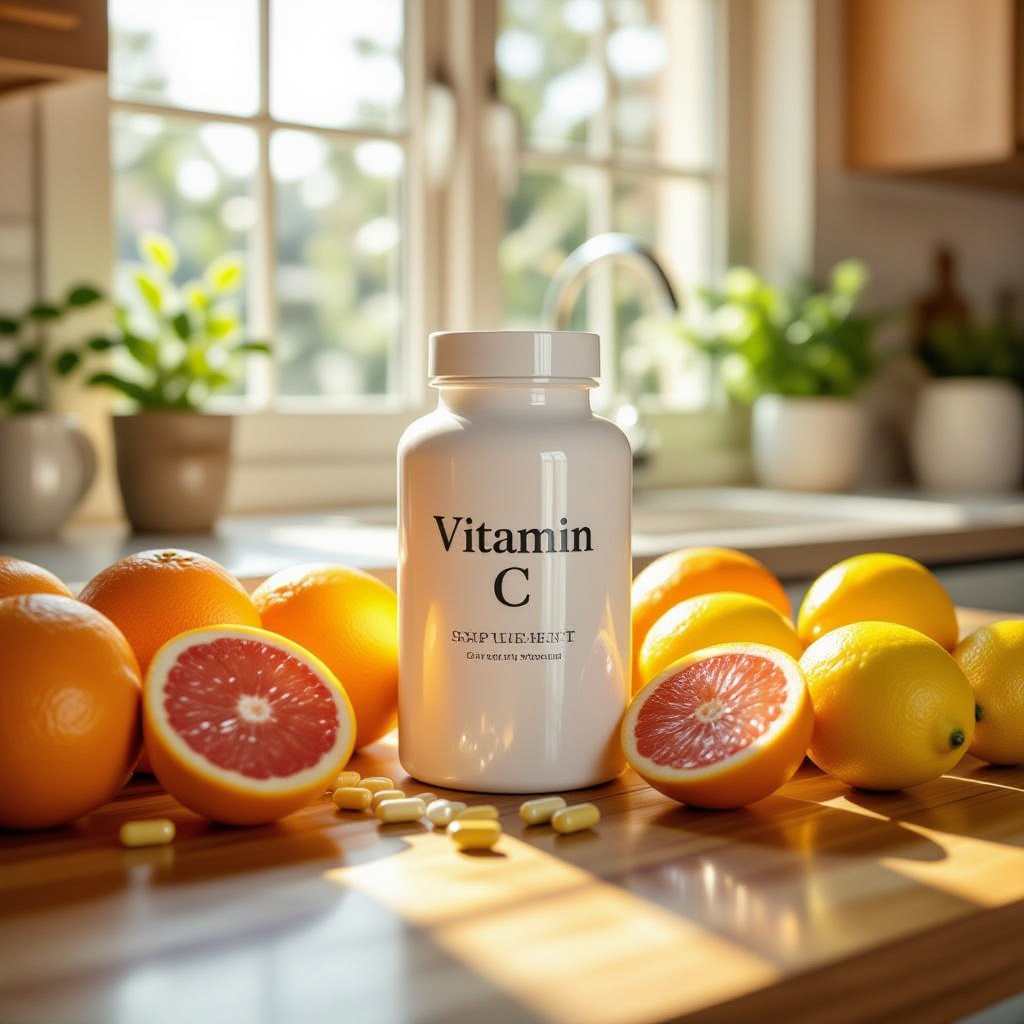
- Key antioxidants for healthy aging include Vitamin C, the carotenoids, selenium, and Vitamin E.
- Women have unique nutritional requirements, such as the need for additional iron during menstruation and greater supplemental calcium for bone health.
Understanding the Essentials of Dietary Supplements for Healthy Aging
In the quest for healthy aging, it's crucial to recognize that both men and women share similar nutritional needs, albeit with a few gender-specific considerations. A well-rounded approach to dietary supplementation can offer a robust defense against nutritional deficiencies, ensuring optimal health and longevity.
Shared Supplemental Needs for Men and Women
At the core of dietary supplements for healthy aging lies a basic multivitamin and multimineral supplement. This foundational supplement is pivotal for bridging nutritional gaps and providing a comprehensive spectrum of nutrients essential for overall health. Key antioxidants such as Vitamin C, the carotenoids, selenium, and Vitamin E stand out for their critical role in combating oxidative stress and supporting cellular health.
Unique Nutritional Requirements for Women
While the foundational needs are largely similar, women have unique nutritional requirements that necessitate additional attention. For menstruating women, an increased need for iron is evident, highlighting the importance of incorporating supplemental iron into their regimen. Furthermore, women may require more supplemental calcium than men, underscoring the significance of bone health in women's nutritional strategies.
Conclusion
In conclusion, while the basic principles of dietary supplementation for healthy aging are similar for both men and women, recognizing and addressing the unique needs of each gender can enhance the effectiveness of nutritional strategies. By ensuring adequate intake of essential vitamins, minerals, and antioxidants, individuals can support their journey towards healthy aging with confidence and vitality.
Related Supplement