What Happens to Your Body After Years of Taking Statins?
Dr. Eric Berg DCPublished on September 5, 2026
Summary authored by editor@wellifi.com
TLDR Summary
Statins, while effective in lowering cholesterol, can lead to significant side effects due to the inhibition of coenzyme Q10 production. Supplementing with CoQ10 and making dietary changes can mitigate these effects and improve overall health.
Key Points
- Statins block cholesterol production and coenzyme Q10, crucial for heart and muscle health.
- Coenzyme Q10 supplementation can mitigate statin side effects.
- High cholesterol is often linked to refined carbs and sugars, not just dietary cholesterol.
- Patients should be informed about the limited benefits of statins compared to their risks.
- Lifestyle changes, including low-carb diets and intermittent fasting, can help manage cholesterol.
What Happens to Your Body Years After Taking a Statin?
If you're currently taking a statin, this article will be one of the most important reads regarding your health. Statins are the most prescribed drug class in the United States, yet many patients remain unaware of the critical information surrounding their use.
The Role of Statins
Statins are commonly prescribed to lower cholesterol levels. However, they also block the production of coenzyme Q10 (CoQ10), a vital compound that supports energy production in the heart and muscles. Interestingly, pharmaceutical companies like Merck have patented statins but have not included CoQ10 in their formulations, which raises questions about patient care.
Understanding Cholesterol
Cholesterol is essential for various bodily functions, including hormone production and cell membrane formation. The body produces approximately 75% of the cholesterol it needs, which begs the question: if cholesterol is so harmful, why does the body make it?
Common Misunderstandings
Many patients are prescribed statins with the assumption that lowering cholesterol will reduce heart disease risk. However, the reality is more nuanced. Numerous studies suggest that the connection between cholesterol levels and heart disease is not as straightforward as it seems.
Coenzyme Q10: A Critical Companion
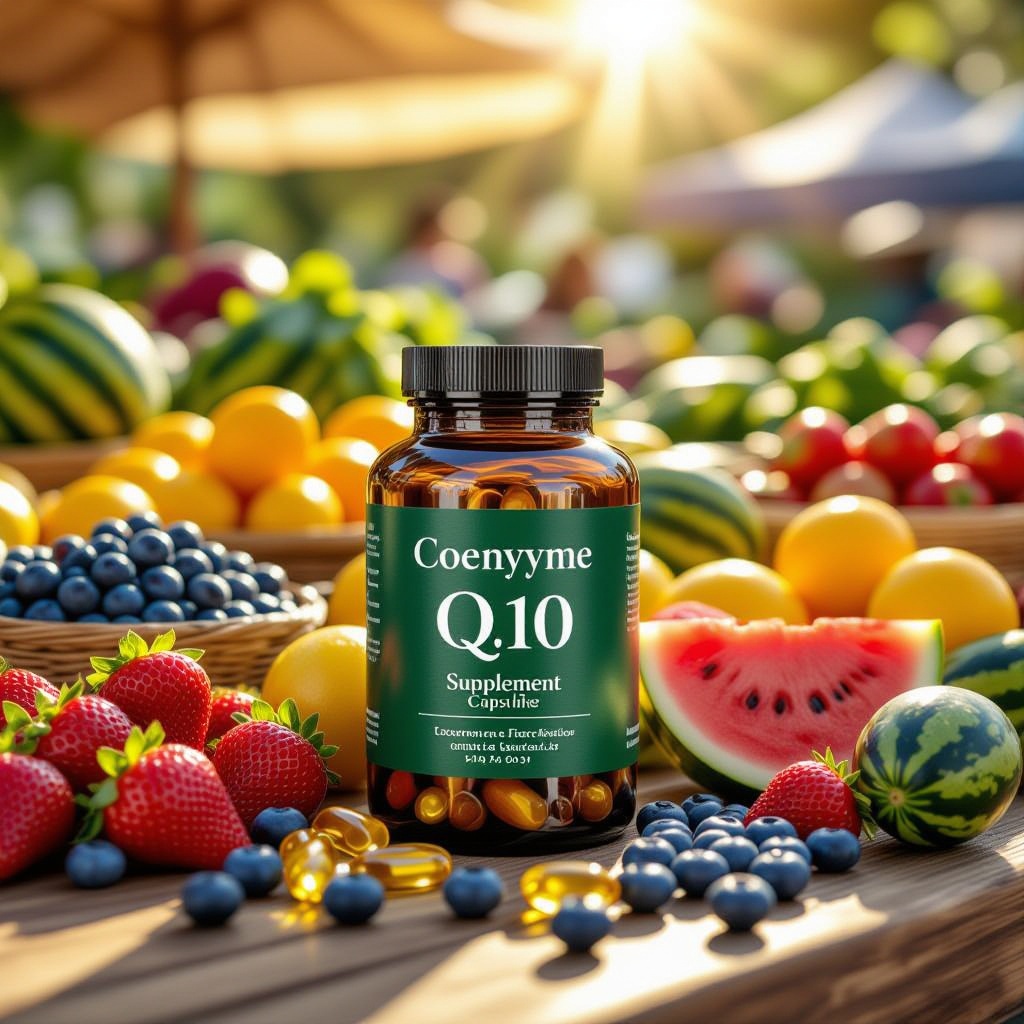
For those taking statins, it's crucial to supplement with CoQ10. Research, including 12 human randomized controlled trials, indicates that CoQ10 can help mitigate the side effects of statins. Increased risks of tendon ruptures, exercise intolerance, and fatigue are among the concerns associated with statin use.
Recommended Dosage
The recommended dosage of CoQ10 ranges from 200 to 400 mg daily, with some individuals potentially needing up to 1,200 mg. It's essential to choose the active form, ubiquinol, for optimal absorption and effectiveness.
Unpacking the Root Causes of High Cholesterol
The reasons behind high cholesterol levels are often misattributed to diet alone. While poor dietary choices and certain health conditions like diabetes can contribute, refined carbohydrates and sugars play a significant role in cholesterol production. Understanding the dietary factors that elevate cholesterol levels is crucial for effective management.
Informed Consent and Statin Use
When prescribed statins, patients should be fully informed of the benefits and risks associated with the medication. The perceived benefits can often be misleading due to statistical manipulation. For the majority of people, statins provide minimal benefits while exposing them to substantial side effects.
Adopting a Healthier Lifestyle
If you experience symptoms such as muscle weakness or fatigue while taking statins, consider supplementing with CoQ10 and magnesium. A low-carb diet combined with intermittent fasting can significantly benefit those struggling with high cholesterol and insulin resistance.
Conclusion
Understanding the implications of statin use and the importance of supporting supplements like CoQ10 is vital for anyone on these medications. By addressing dietary habits and incorporating informed health practices, individuals can better manage their cholesterol and overall health.