What I Actually Do When I Feel a Cold Coming On (It's Not Vitamin C)
Mark Hyman, MDPublished on October 5, 2026
Summary authored by editor@wellifi.com
TLDR Summary
To boost your immune system during cold and flu season, focus on a nutrient-dense diet, quality sleep, regular exercise, and managing stress. Key nutrients like vitamin D, zinc, and vitamin C play crucial roles in immune health.
Key Points
- Your immune system acts as a surveillance system, monitoring for threats.
- Optimizing your diet, sleep, exercise, and stress management is crucial for immune health.
- Key nutrients for immune support include vitamin D, zinc, and vitamin C.
- Herbal formulas and good hygiene practices can help maintain health during cold and flu season.
- Listening to your body and responding quickly at the onset of illness can prevent more severe symptoms.
Boosting Your Immune System for Cold and Flu Season
As the cold and flu season approaches, many of us are seeking ways to strengthen our immune systems and stay healthy during the winter months. In a recent discussion, Dr. Mark Hyman shared insights on how to effectively enhance your immune function through lifestyle choices and nutrition.
Understanding Your Immune System
Your immune system acts as a surveillance system for your body, constantly monitoring for threats like viruses and bacteria. It consists of two main components: the innate immune system, which provides immediate defense, and the adaptive immune system, which develops a targeted response to specific pathogens. To keep this system functioning optimally, it's essential to support it with healthy lifestyle choices.
Foundational Elements for a Resilient Immune System
Dr. Hyman emphasizes several key factors that influence immune health:
- Diet: Eating whole, nutrient-dense foods while avoiding ultra-processed items is crucial.
- Sleep: Prioritizing quality sleep is essential, as lack of sleep can impair immune response.
- Exercise: Regular physical activity supports immune function, but it’s important not to overdo it.
- Stress Management: Techniques like meditation, yoga, and breathwork can help regulate your stress response.
- Gut Health: A healthy gut microbiome is vital for overall health and immune support.
Key Nutrients for Immune Function
Dr. Hyman highlights several important nutrients that can help optimize immune function:
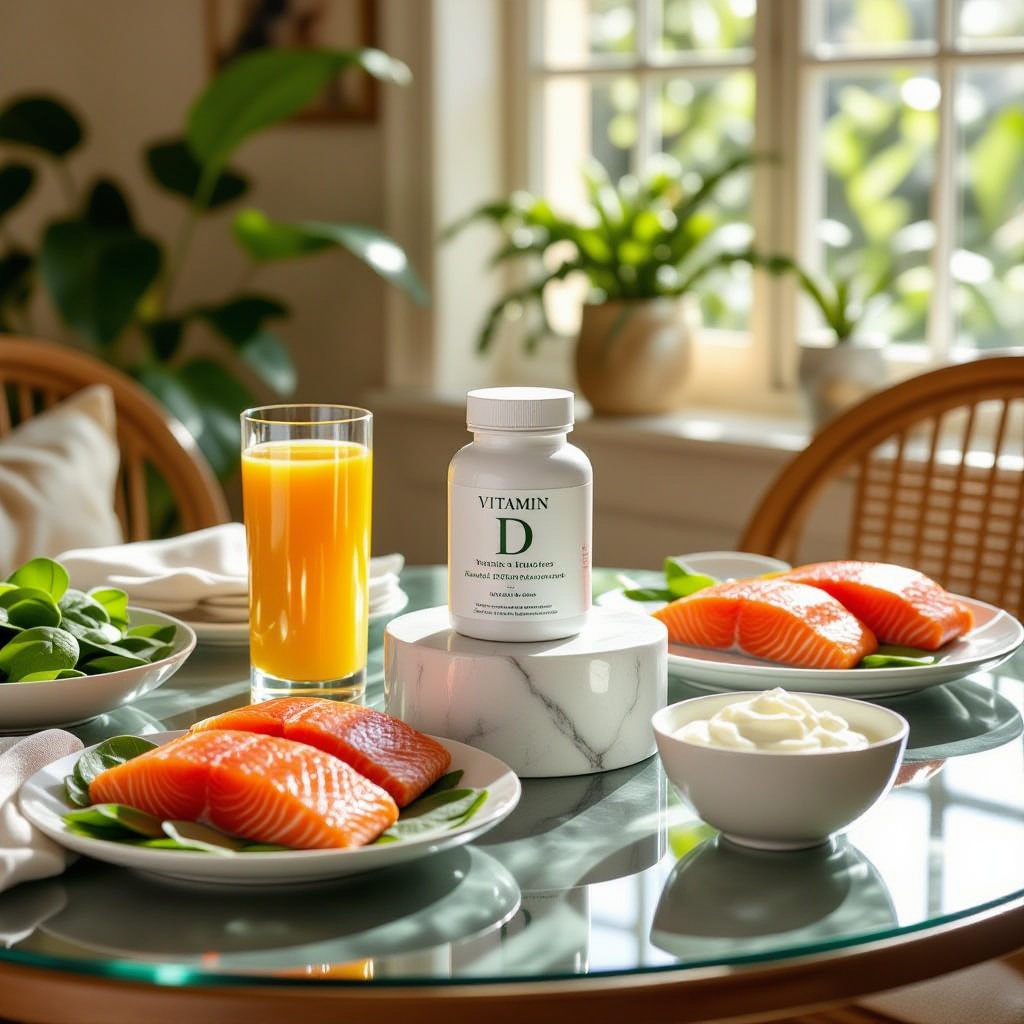
- Vitamin D: Many people are deficient in vitamin D, which is crucial for immune modulation.
- Zinc: This mineral plays a significant role in immune function and can be beneficial when taken in lozenge form during the onset of a cold.
- Vitamin C: While the evidence is mixed, maintaining adequate vitamin C levels is important for a healthy immune system.
- Selenium and B Vitamins: These nutrients also support various pathways related to immune health.
Strategies for Cold and Flu Season
To set yourself up for success this cold and flu season, consider the following strategies:
- Incorporate nutrient-dense foods into your diet, such as garlic, ginger, and colorful fruits and vegetables.
- Stay hydrated and consider immune-supportive herbal formulas, such as adaptogenic mushrooms.
- If you start to feel unwell, Dr. Hyman suggests taking a high dose of vitamins A and D, along with other immune support supplements.
- Practice good hygiene, including handwashing and avoiding close contact with those who are sick.
Conclusion
Ultimately, the key to a resilient immune system lies in adopting a holistic approach that focuses on nutrition, sleep, exercise, and stress management. By prioritizing these foundational elements, you can significantly enhance your immune function and reduce your risk of getting sick this season.
Key Takeaways
- Your immune system acts as a surveillance system, monitoring for threats.
- Optimizing your diet, sleep, exercise, and stress management is crucial for immune health.
- Key nutrients for immune support include vitamin D, zinc, and vitamin C.
- Herbal formulas and good hygiene practices can help maintain health during cold and flu season.
- Listening to your body and responding quickly at the onset of illness can prevent more severe symptoms.
Health-Related Compounds Mentioned
- Supplements: Vitamin D, Zinc, Vitamin C, Selenium
- Nootropics: (none mentioned)
- Peptides: Thymosin alpha-1, L-37
- GLP-1 drugs: (none mentioned)