Why I Changed My Mind About Fasting (Weight Loss, Hormones + Metabolism)
Resetter PodcastPublished on April 24, 2026
Summary authored by editor@wellifi.com
TLDR Summary
Dr. Mindy Pelz shares transformative insights on fasting, emphasizing the importance of personal adaptation. Key shifts include reconsidering breakfast, limiting fasts for perimenopausal women, and incorporating MCT oil and bone broth for better fasting experiences.
Key Points
- Reconsider the necessity of skipping breakfast; morning meals may enhance glucose sensitivity.
- Women, especially in perimenopause, should limit fasts to under 24 hours to manage hormonal fluctuations.
- Fasting may not suit everyone, particularly those with metabolic challenges or high stress.
- Incorporate MCT oil and bone broth into fasting routines for better outcomes.
- Exogenous ketones can be beneficial for certain populations, including those with cognitive concerns.
Revisiting Fasting: Insights from Dr. Mindy Pelz
Dr. Mindy Pelz, a fasting expert with over 15 years of experience, has transformed the way many approach fasting through her teachings and bestselling book, Fast Like a Girl. In this article, we will explore the key insights Dr. Pelz has shared regarding fasting, including her evolving opinions and practical tips that can help you optimize your fasting routine.
1. Rethinking Breakfast
One of the first shifts in Dr. Pelz's perspective is the belief that breakfast must always be skipped. Initially, this advice stemmed from her own preference for not eating in the morning. However, recent research indicates that we may be more glucose sensitive in the morning, suggesting that eating breakfast can lead to better glucose and insulin responses throughout the day. For those who find themselves hungry in the morning, particularly athletes, Dr. Pelz now advocates for reconsidering traditional fasting practices, including the possibility of skipping dinner instead.
2. Longer Fasts for Women
Dr. Pelz emphasizes that women, particularly those who are perimenopausal and experiencing stress, should keep their fasts under 24 hours. The hormonal fluctuations during this stage can lead to increased cortisol levels, which in turn can affect hunger hormones like ghrelin and leptin. While longer fasts can be beneficial, it’s crucial to approach them mindfully, especially during times of hormonal chaos.
3. Not Everyone Can or Should Fast
Dr. Pelz has also reevaluated her stance that fasting works for everyone. Individuals with metabolic challenges or those under high stress may find fasting particularly difficult. For these individuals, focusing on food quality, reducing processed foods, and developing a healthier relationship with food may be more effective than immediately diving into fasting.
4. Expanding Beverage Choices During Fasting
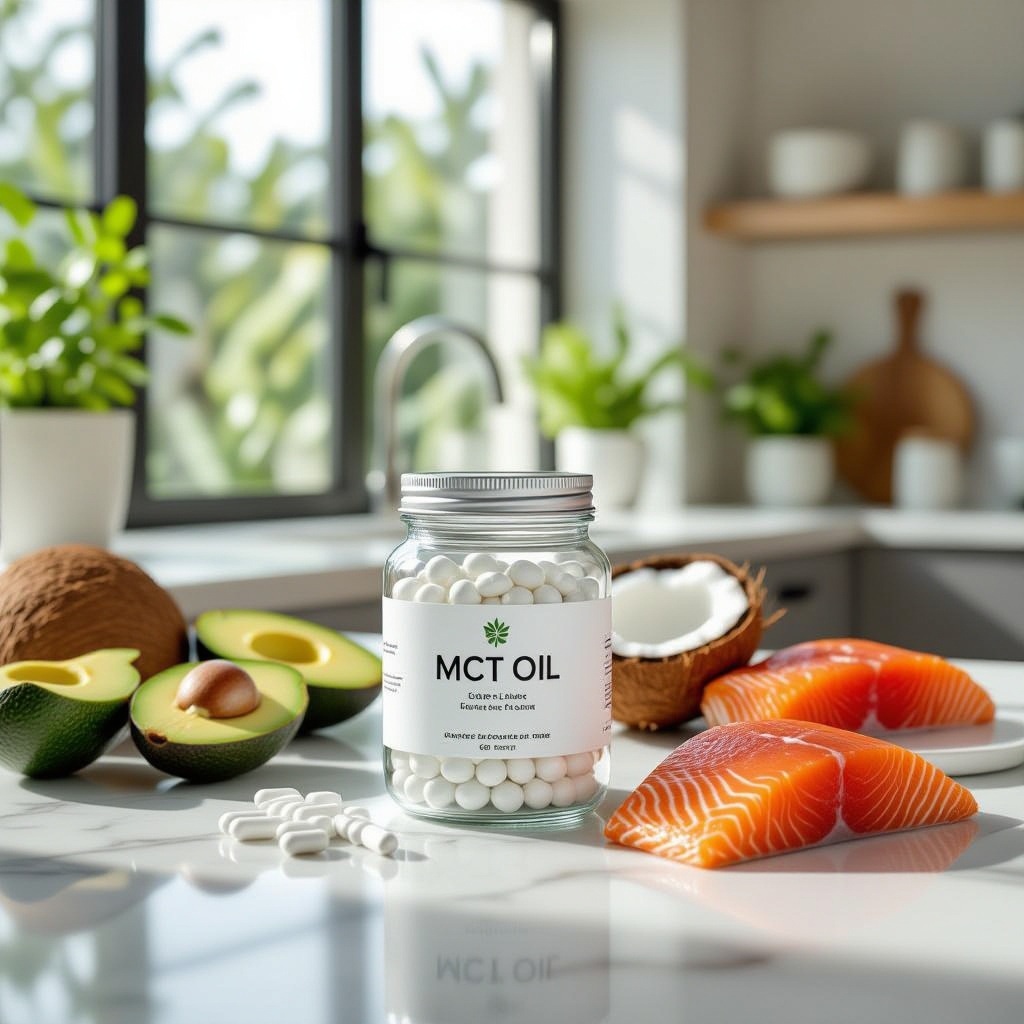
Traditionally, fasting has been associated with water consumption only. However, Dr. Pelz now suggests that incorporating MCT oil into coffee or tea can help alleviate hunger during fasting windows. Additionally, she reexamines the role of bone broth, which can provide nourishment and support longer fasting periods without breaking the fast.
5. The Role of Exogenous Ketones
While previously dismissive of exogenous ketones, Dr. Pelz now sees their potential benefits, particularly for those struggling with cognitive decline or for beginners in fasting. Products like Key Drench may support longer fasting while providing neurological benefits.
Key Takeaways
- Reconsider the necessity of skipping breakfast; morning meals may enhance glucose sensitivity.
- Women, especially in perimenopause, should limit fasts to under 24 hours to manage hormonal fluctuations.
- Fasting may not suit everyone, particularly those with metabolic challenges or high stress.
- Incorporate MCT oil and bone broth into fasting routines for better outcomes.
- Exogenous ketones can be beneficial for certain populations, including those with cognitive concerns.
Conclusion
As Dr. Mindy Pelz continues to refine her approach to fasting, it's clear that flexibility and personal adaptation are key. Fasting is a practice that varies from person to person, and finding your unique rhythm is essential for success. With these new insights, individuals can better navigate their fasting journey and achieve optimal health.