Why You Feel Depressed Even When Nothing Is Wrong | Dr. Rhonda Patrick
Mark Hyman, MDPublished on December 31, 2025
Summary authored by editor@wellifi.com
TLDR Summary
Recent studies have highlighted the connection between inflammation and depression, demonstrating that omega-3 fatty acids can help alleviate symptoms. Ensuring adequate nutrient intake is essential for managing inflammation and supporting mental health.
Key Points
- Inflammation is linked to depression, as evidenced by studies involving lipopolysaccharides (LPS).
- Omega-3 fatty acids, particularly EPA, can help mitigate depressive symptoms associated with inflammation.
- High levels of inflammation are often seen in individuals who do not respond to SSRIs.
- Essential nutrients and phytonutrients play a critical role in regulating inflammation and supporting mental health.
- A holistic approach to health, focusing on nutrition and inflammation, may improve outcomes for those experiencing depression.
The Connection Between Inflammation, Nutrition, and Depression
Depression is a complex condition that is often misunderstood. Recent research has shed light on how inflammation and nutrition play a crucial role in mental health. In this article, we will explore the link between gut health, inflammation, and depression, as well as the importance of certain nutrients in managing these conditions.
The Role of Inflammation in Depression
A fascinating study that is rarely discussed involved injecting healthy individuals with lipopolysaccharides (LPS), a component found in the outer membranes of certain bacteria. This study demonstrated that an increase in LPS levels, which can occur due to gut permeability or leaky gut, led to depressive symptoms in healthy individuals. This finding supports the theory that inflammation can significantly contribute to depression.
The Protective Effects of Omega-3 Fatty Acids
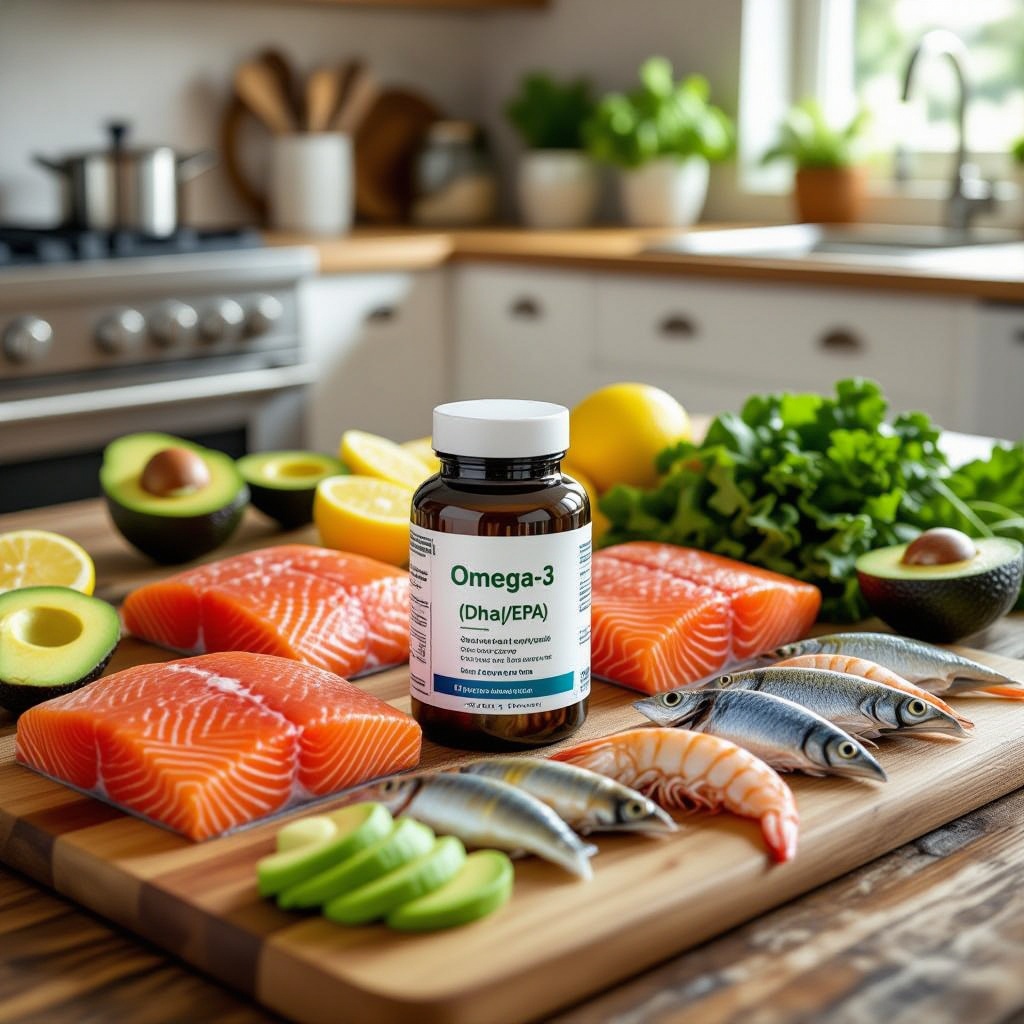
Interestingly, the same study found that individuals injected with LPS who had sufficient omega-3 fatty acids, particularly EPA, did not experience these depressive symptoms. Omega-3s are known for their anti-inflammatory properties and have been shown to benefit conditions such as depression and ADHD. Specifically, EPA appears to be critical in reducing inflammation associated with depression, particularly in those who do not respond to traditional antidepressants like SSRIs (selective serotonin reuptake inhibitors).
The Need for Nutritional Interventions
There is a growing recognition that high levels of inflammation, indicated by biomarkers such as C-reactive protein, are common in individuals who do not respond to SSRIs. This leads to the logical question of whether reducing inflammation can help alleviate depressive symptoms. Some researchers have even suggested using TNF-alpha blockers, typically used for autoimmune diseases, as a treatment for depression. However, the focus should ideally be on understanding the root causes of inflammation.
The Importance of Essential Nutrients
In functional medicine, there is an emphasis on ensuring that individuals have adequate levels of essential nutrients to support their overall health and metabolism. Deficiencies in key nutrients can lead to inflammation, oxidative stress, and mitochondrial damage, which are all crucial processes for maintaining health.
Phytonutrients and Their Role
Moreover, there is a theory called "symbiotic phyto adaptation," which suggests that humans have co-evolved with plants, borrowing their phytonutrients to regulate vital bodily functions. These phytonutrients, such as sulforaphane found in cruciferous vegetables like broccoli, play a significant role in detoxification and regulating oxidative stress. When we consume these plants, we activate pathways that are essential for our health.
Conclusion
Understanding the relationship between inflammation, nutrition, and mental health is crucial for developing effective treatment strategies for depression. Incorporating anti-inflammatory foods like omega-3 fatty acids, and ensuring adequate intake of phytonutrients, could help mitigate depressive symptoms and promote overall well-being.
As we continue to explore these connections, it becomes evident that a holistic approach to health, which includes addressing nutritional deficiencies and inflammation, is essential for managing depression and enhancing mental health.