Your Labs Are “Normal”, So Why Aren’t You Getting Pregnant?| Katie Braswell
Kelly LeVequePublished on October 28, 2026
Summary authored by editor@wellifi.com
TLDR Summary
Nutrition plays a vital role in supporting fertility and pregnancy, with a focus on essential minerals and a nutrient-rich diet. Addressing underlying health issues through functional testing and personalized dietary support can significantly enhance reproductive health outcomes.
Key Points
- Nutrition can significantly impact fertility and reproductive health.
- Essential minerals such as zinc and magnesium are crucial during fertility treatments.
- A nutrient-dense diet supports hormonal balance and overall health.
- Functional testing can uncover hidden health issues affecting fertility.
- Personalized dietary support from a nutritionist can be beneficial.
Understanding Nutritional Support for Pregnancy and Fertility
Experiencing a miscarriage is unfortunately common, yet it shouldn’t be a normal occurrence. Many women face repeated miscarriages and heart-wrenching circumstances before realizing there may be underlying health issues that require attention. In this blog, we will explore how nutritional support plays a critical role in fertility treatments such as IUI (Intrauterine Insemination) and IVF (In Vitro Fertilization) and how optimizing mineral levels can significantly impact overall reproductive health.
The Importance of Nutrition in Pregnancy
As a functional nutritionist focusing on prenatal nutrition, I guide clients through their dietary journeys, especially those undergoing assisted reproductive technologies. During the cycles for egg retrieval and transfer, women often experience significant drops in essential minerals like zinc and magnesium. Understanding how to replenish these minerals through diet and supplements is crucial for those trying to conceive.
Key Nutritional Components
- Zinc: Essential for hormonal balance and reproductive health.
- Magnesium: Important for energy production and can help regulate blood sugar levels.
- Essential Fatty Acids: Crucial for hormone production.
- Folate: Important for cell division and is especially vital during pregnancy.
- Iron: Necessary for oxygen transport in the blood.
How to Support Fertility Through Diet
Women who are trying to conceive or are pregnant should focus on a nutrient-rich diet. This includes:
- Incorporating a variety of fruits and vegetables to ensure a wide spectrum of vitamins and minerals.
- Eating whole grains and legumes for fiber and sustained energy.
- Including lean proteins and healthy fats to support hormone production.
- Utilizing herbs and adaptogens to promote overall wellness.
Supplementation Considerations
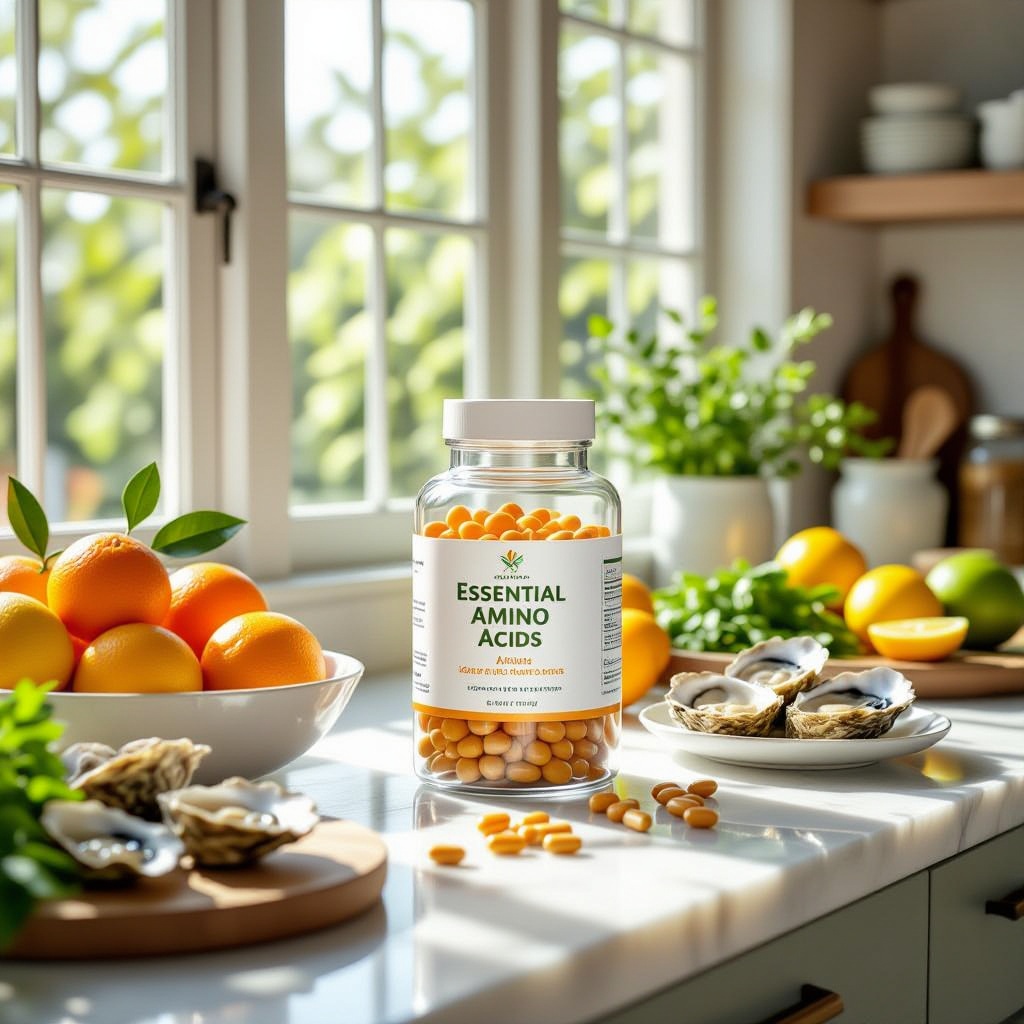
While it's best to get nutrients from food, supplements can help fill in gaps. Here are some essential supplements mentioned:
- Amino Acids: Support muscle health and energy levels.
- Vitamins & Minerals: Such as prenatal vitamins that include folate and iron.
Addressing Underlying Health Issues
It's important to understand that sometimes, despite normal lab results, there may be underlying health issues causing fertility challenges. Tests such as hair tissue mineral analysis can provide a broader picture of mineral levels over time.
Key Takeaways
- Focus on a nutrient-dense diet to support fertility.
- Identify and address any mineral deficiencies through diet and supplementation.
- Consider functional testing to uncover hidden health issues affecting fertility.
- Engage with a functional nutritionist for personalized dietary support.
- Understand the importance of lifestyle choices in managing hormonal balance.
Conclusion
Navigating fertility challenges can be daunting. However, by focusing on nutrition, addressing mineral deficiencies, and engaging with knowledgeable professionals, women can empower themselves on their journey to motherhood. Remember, a well-balanced diet combined with appropriate supplementation can create a strong foundation for a healthy pregnancy.