Zinc Supplements: Boost Your Health Naturally
Published on September 7, 2026
Summary authored by editor@wellifi.com
Zinc Supplements: Boost Your Health Naturally
Introduction
In the quest for optimal health, zinc often emerges as a silent hero, overshadowed by more glamorous vitamins and minerals. Yet, this essential trace element plays a pivotal role in numerous bodily functions, from immune support to cellular repair. As health-conscious adults increasingly turn to supplements to fill nutritional gaps, understanding the benefits of zinc can empower you to make informed choices.
"Zinc is essential for over 300 biochemical reactions in the body, making it crucial for overall health."
The Role of Zinc in Our Bodies
Zinc is not just another mineral; it is a powerhouse of health benefits that many people overlook. Here’s what makes it so vital:
Immune Support
Zinc is a key player in maintaining a robust immune system. It helps in the development and function of immune cells, thereby enhancing your body’s ability to fend off infections. Studies have shown that adequate zinc intake can reduce the duration of colds and improve overall immune function.
Wound Healing
Zinc plays a critical role in wound healing. It is involved in cell division, protein synthesis, and immune function, all of which are necessary for skin repair. For those recovering from injuries or surgeries, zinc supplementation can speed up the healing process.
Skin Health
Zinc is often found in skincare products due to its anti-inflammatory properties. It can help manage acne, reduce skin irritation, and promote healthy skin texture. Whether you’re battling breakouts or simply want to maintain your skin’s health, zinc can be a valuable ally.
Sources of Zinc
While supplements are a popular way to boost zinc levels, it’s essential to consider dietary sources as well. Here are some of the best food sources rich in zinc:
- Meat: Beef, pork, and lamb are excellent sources.
- Seafood: Oysters are particularly high in zinc, but crab and lobster are great options too.
- Legumes: Chickpeas, lentils, and beans can provide a plant-based source of zinc.
- Nuts and Seeds: Pumpkin seeds, cashews, and hemp seeds are all good choices.
- Dairy Products: Milk and cheese also contribute to your zinc intake.
When to Consider Supplements
Despite the availability of zinc in foods, many individuals may still fall short of the recommended daily intake, especially vegetarians, pregnant women, and those with certain health conditions. If you suspect a deficiency, supplementation might be beneficial. However, it’s crucial to consult with a healthcare provider before starting any new supplement regimen.
Choosing the Right Zinc Supplement
With a myriad of zinc supplements available on the market, selecting the right one can be overwhelming. Here are some tips to guide your choice:
Types of Zinc Supplements
- Zinc Gluconate: A common form that is often used in lozenges.
- Zinc Citrate: Well-absorbed and suitable for those with sensitive stomachs.
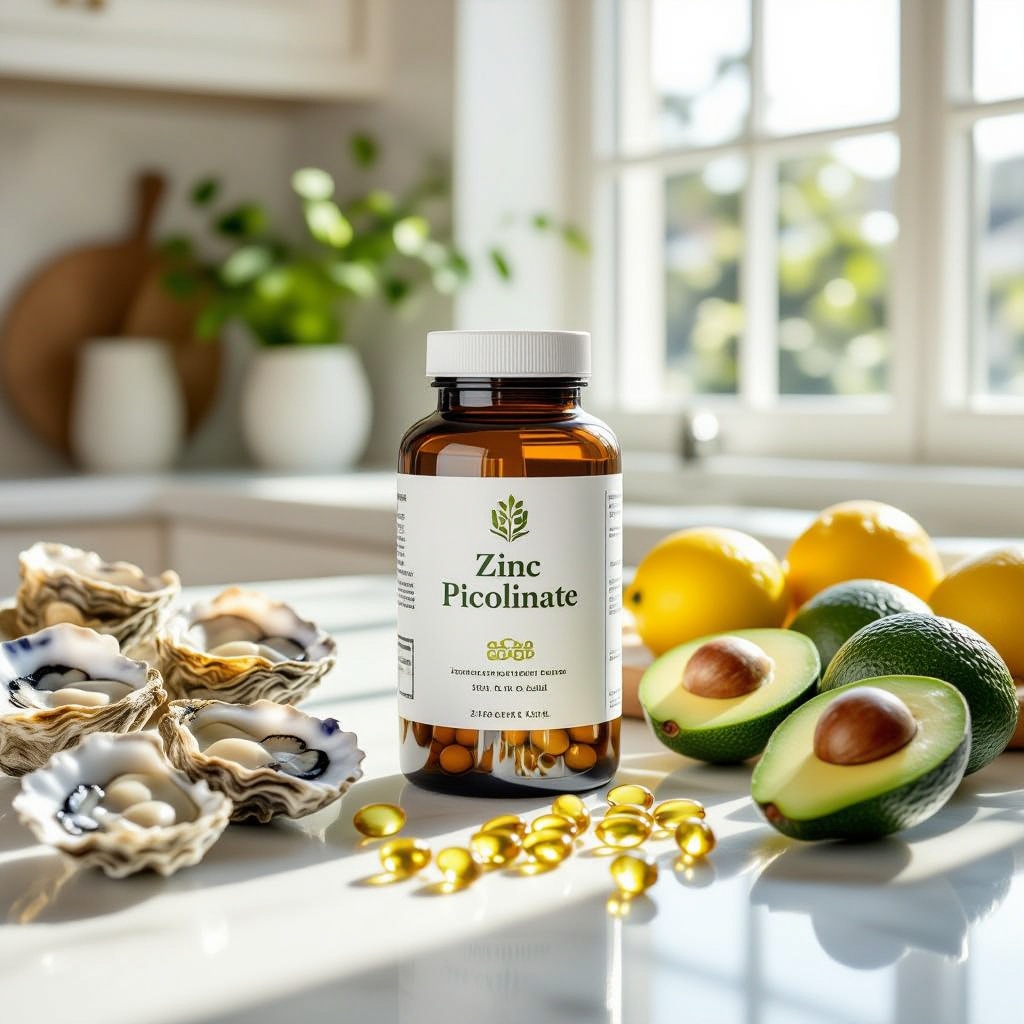
- Zinc Picolinate: Known for its superior absorption properties.
- Zinc Acetate: Often used in cold remedies due to its efficacy in reducing symptoms.
Dosage Considerations
The recommended dietary allowance (RDA) for zinc varies by age and gender. For adult men, it is 11 mg, and for adult women, it is 8 mg. However, supplementation should not exceed the upper limit of 40 mg per day unless directed by a healthcare professional.
"Quality matters; always opt for reputable brands that undergo third-party testing."
Potential Side Effects and Interactions
While zinc is generally safe when taken as directed, it’s essential to be aware of potential side effects and interactions:
- Nausea and Vomiting: High doses can lead to gastrointestinal discomfort.
- Copper Deficiency: Excessive zinc can interfere with copper absorption, leading to deficiency.
- Drug Interactions: Zinc may interact with certain medications, including antibiotics and diuretics. Always consult your healthcare provider if you are on medication.
Conclusion
Zinc is a vital mineral that supports various bodily functions, making it an essential part of a health-conscious adult's supplement regimen. By understanding its benefits, dietary sources, and how to choose the right supplement, you can harness the power of zinc to boost your health naturally. As with any supplement, it’s crucial to approach it with knowledge and caution to reap the maximum benefits without adverse effects.
Key Takeaways
- Zinc is crucial for immune support, wound healing, and skin health.
- Dietary sources include meat, seafood, legumes, nuts, and dairy.
- Supplements can help those with deficiencies, but consult a healthcare provider first.
- Different forms of zinc supplements are available, each with unique absorption properties.
- Be mindful of potential side effects and interactions with medications.
Further Reading
Related Supplement
The daily brief
Three expert summaries chosen for you, every morning. Free, and one tap to stop.
One email a day. No supplement pitches. Unsubscribe any time.