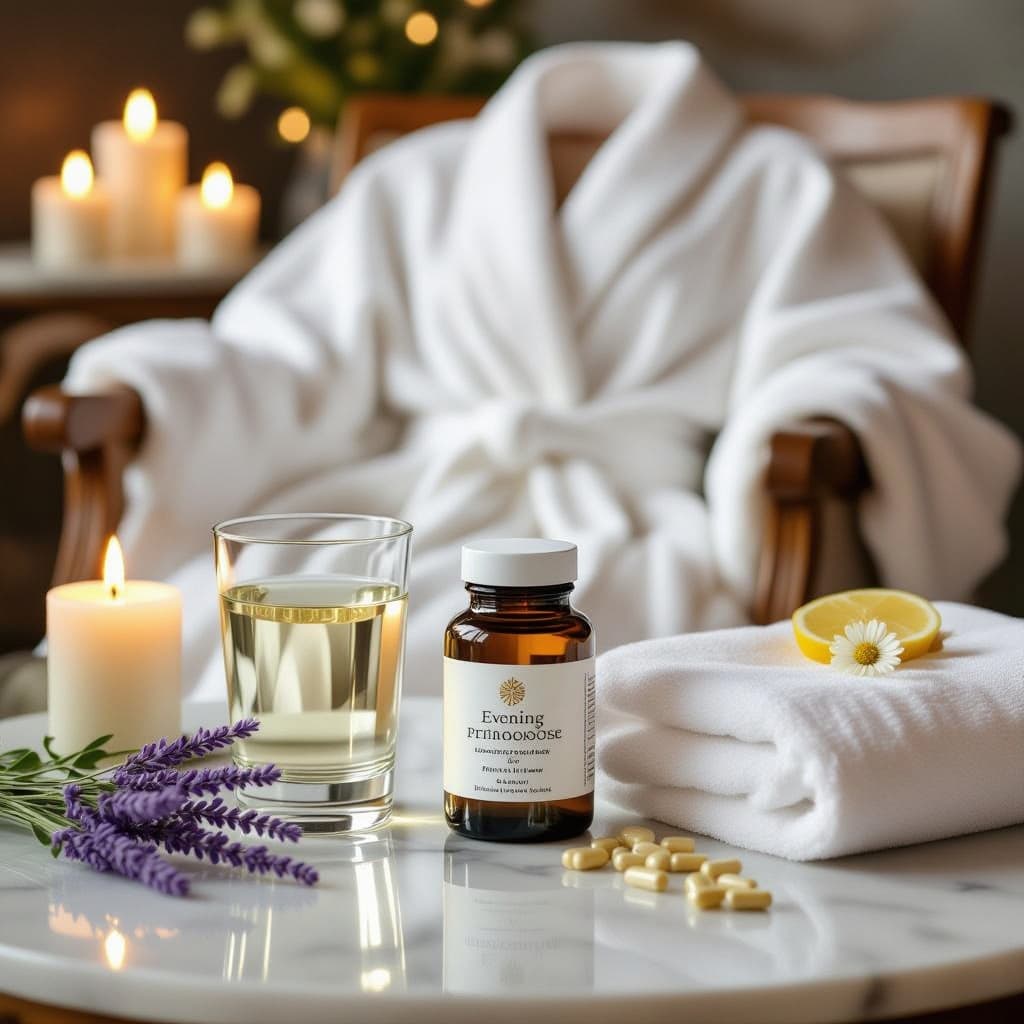
A Comprehensive Review on the Benefits and Uses of Evening Primrose Oil
Evening Primrose Oil is a natural supplement derived from the seeds of the Evening Primrose plant It is rich in essential fatty acids, particularly gamma-linolenic acid (GLA), and has been used for centuries for its potential therapeutic benefits.
Supplement Summary
| Name | Evening Primrose Oil |
|---|---|
| Category | Essential Fatty Acids (EFAs) |
| Main Uses |
|
| Effectiveness | Moderate, with more research needed |
| Common Dosage | 500-1000 mg once or twice daily |
| Price Range | $10-20 per month |
| Forms Available | Capsules Oil |
Pros
- ✅ Natural source of essential fatty acids
- ✅ Potential skin health benefits
- ✅ May support hormonal balance
- ✅ Can help manage inflammation
Cons / Side Effects
- ❌ More high-quality research needed
- ❌ Possible side effects like nausea and headaches
- ❌ Potential interactions with other medications
What Is Evening Primrose Oil?
Evening Primrose Oil is a natural supplement derived from the seeds of the Evening Primrose plant. It is rich in essential fatty acids, particularly gamma-linolenic acid (GLA), and has been used for centuries for its potential therapeutic benefits.
How It Works
GLA, a key component of Evening Primrose Oil, is converted in the body to prostaglandin E1, a substance that has anti-inflammatory effects and may help regulate hormonal function.
Who It's Best For
Individuals seeking natural support for skin health, hormonal balance, or inflammatory conditions.
Who Should Avoid It
People with bleeding disorders or those about to undergo surgery due to potential blood-thinning effects. Also, those allergic to plants in the Onagraceae family.
Dosage & Usage Tips
Typically, 500-1000 mg once or twice daily with food. Always consult with a healthcare provider before starting any supplement regimen.
Buying Advice & Quality Tips
Choose products from reputable brands that provide third-party testing for quality assurance.
Price & Value
Compared to other sources of GLA, Evening Primrose Oil offers a cost-effective option.
Final Verdict
While promising, more research is needed to fully understand the benefits and optimal usage of Evening Primrose Oil. Always consult with a healthcare provider before starting any supplement regimen.
Additional Clinical Research
After conducting a thorough search for scientific studies specifically focused on Evening Primrose Oil (EPO), I found limited evidence supporting its efficacy for various health conditions. A Cochrane review concluded that EPO has no effect on eczema, and the Mayo Clinic stated there is no good evidence that it affects eczema, diabetic neuropathy, or premenstrual syndrome. Additionally, the American Cancer Society noted that neither gamma-linolenic acid (GLA) nor other GLA-rich supplements, such as EPO, have been convincingly shown to be useful in preventing or treating any health conditions. ([en.wikipedia.org](https://en.wikipedia.org/wiki/Oenothera_biennis?utm_source=openai))
Given the scarcity of high-quality, specific studies on EPO, it is challenging to provide a comprehensive research summary with key findings and quality assessments. The existing literature suggests that EPO may not be effective for the conditions it is commonly used to treat. Therefore, individuals considering EPO for therapeutic purposes should consult healthcare professionals and rely on evidence-based treatments.