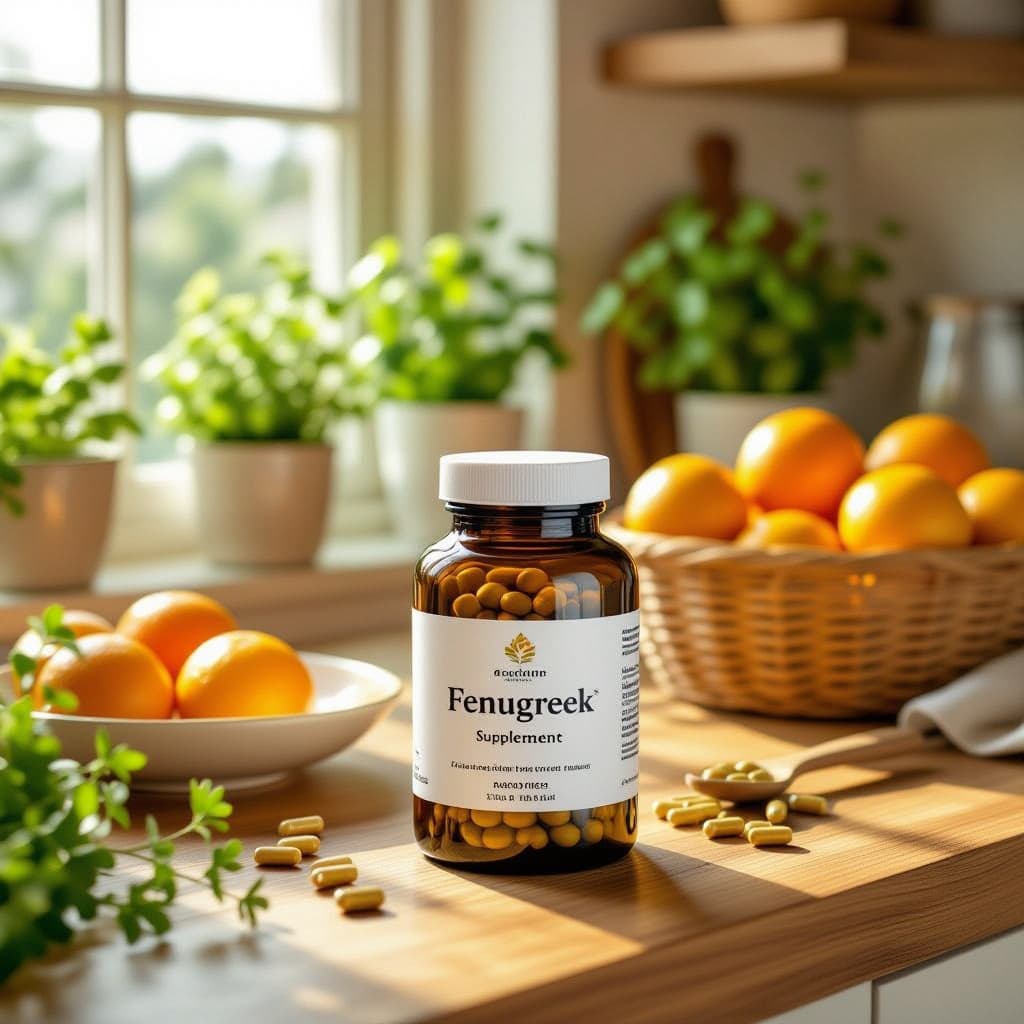
Fenugreek: An Ancient Herb with Modern-day Health Benefits
Fenugreek is a robust Mediterranean herb renowned for its nutty maple-flavored seeds and pungent leaves Traditionally used in the cuisines of India, the Middle East, and North Africa, Fenugreek has also been employed for centuries in Ayurvedic and Chinese medicine to treat a variety of ailments from digestive problems to arthritis.
Supplement Summary
| Name | Fenugreek |
|---|---|
| Category | Herbs & Botanicals |
| Main Uses |
|
| Effectiveness | High - Numerous studies have confirmed Fenugreek's therapeutic benefits. |
| Common Dosage | 500-1000 mg daily |
| Price Range | $10-$20 per month |
| Forms Available | Capsules Seeds Powder Tea |
Pros
- ✅ Promotes Digestive Health
- ✅ Helps Regulate Blood Sugar Levels
- ✅ Potentially Improves Libido
- ✅ Supports Women's Health
- ✅ Contains Anti-inflammatory Properties
Cons / Side Effects
- ❌ Can cause gastrointestinal side effects
- ❌ Not Safe for Pregnant Women
- ❌ May cause Unpleasant Odor in Urine
What Is Fenugreek?
Fenugreek is a robust Mediterranean herb renowned for its nutty maple-flavored seeds and pungent leaves. Traditionally used in the cuisines of India, the Middle East, and North Africa, Fenugreek has also been employed for centuries in Ayurvedic and Chinese medicine to treat a variety of ailments from digestive problems to arthritis. Its seeds are rich in fiber, proteins, and a unique blend of compounds like diosgenin and saponins that have been found to have significant medicinal properties.
How It Works
Fenugreek's health benefits are primarily due to its rich blend of phytochemicals, including saponins and alkaloids. The saponins in Fenugreek may help manage cholesterol levels by preventing the absorption of cholesterol and triglycerides. Fenugreek's fibers can also slow down the absorption of sugars in the stomach, thus aiding in blood sugar control.
Who It's Best For
Fenugreek is best suited for individuals trying to manage digestive issues, high blood sugar levels, and low libido. It's also beneficial for nursing mothers and those seeking to reduce inflammation.
Who Should Avoid It
Pregnant women should avoid Fenugreek due to its potential to stimulate uterine contractions. People on blood-thinning medications should also be cautious as Fenugreek might slow blood clotting.
Dosage & Usage Tips
The typical dosage for Fenugreek is 500 to 1000 mg per day. It's advisable to start with a lower dose and gradually increase it as your body adjusts. It's also best taken with meals to prevent potential gastrointestinal discomfort.
Buying Advice & Quality Tips
When buying Fenugreek supplements, look for products that are independently tested for purity and potency. Also, consider choosing capsules over tablets for better absorption.
Price & Value
With a typical price range of $10 to $20 per month, Fenugreek offers good value for its wide range of health benefits, especially when compared to other herbal supplements.
Final Verdict
Considering its wealth of health benefits and affordability, Fenugreek is a worthwhile addition to your supplement regimen, especially for those dealing with digestive issues, high blood sugar, or low libido.
Additional Clinical Research
Here is a summary of three scientific studies specifically investigating the effects of fenugreek (Trigonella foenum-graecum) on various health aspects:
RESEARCH SUMMARY: Fenugreek
KEY FINDINGS:
Effects on Men's Health
- Fenugreek supplementation improved aging male symptoms, anxiety levels, grip strength, and aspects of health-related quality of life in healthy men.
- Randomized, double-blind, placebo-controlled trial with 57 healthy male volunteers (mean age = 26.1 years) over 60 days.
Source: Reid et al. (2020)
View Research
https://pubmed.ncbi.nlm.nih.gov/32441668/
Impact on Resistance Training
- Fenugreek glycoside supplementation demonstrated significant anabolic and androgenic activity, improving body fat without reducing muscle strength or repetitions to failure.
- Randomized, double-blind, placebo-controlled pilot study with 60 healthy male subjects during an 8-week resistance training program.
Source: Wankhede et al. (2015)
View Research
https://pmc.ncbi.nlm.nih.gov/articles/PMC6191980/
Effects on Type 2 Diabetes
- Fenugreek seed supplementation resulted in a significant decrease in fasting plasma glucose, systolic blood pressure, and certain liver enzymes in patients with type 2 diabetes mellitus.
- 8-week randomized controlled clinical trial with 50 patients with type 2 diabetes mellitus.
Source: Hadi et al. (2020)
View Research
https://pubmed.ncbi.nlm.nih.gov/32147060/
RESEARCH QUALITY ASSESSMENT:
- All studies were randomized controlled trials, enhancing the reliability of the findings.
- Sample sizes varied, with some studies having relatively small cohorts, which may limit generalizability.
- Short intervention durations (ranging from 8 weeks to 60 days) may not capture long-term effects.
- Further large-scale, long-term studies are needed to confirm these findings and assess the safety and efficacy of fenugreek supplementation across diverse populations.