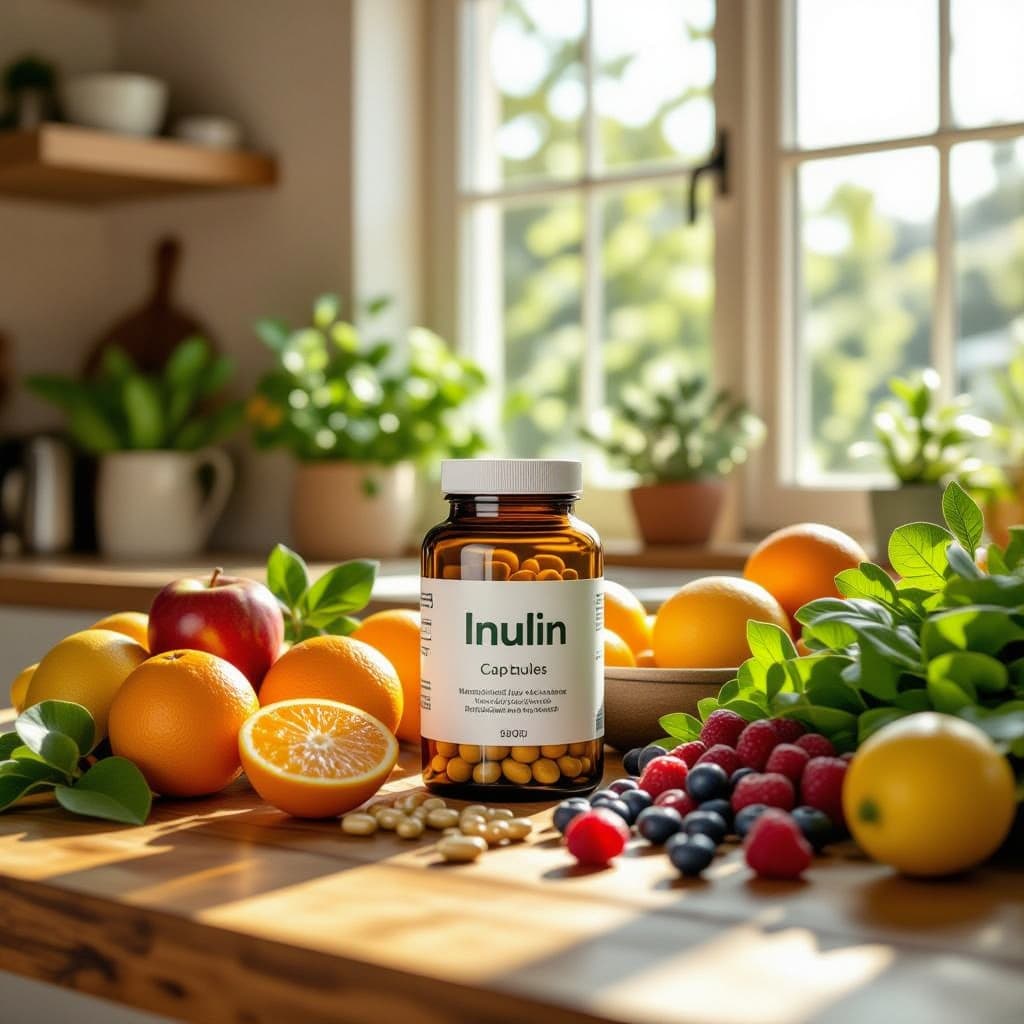
Inulin: A Prebiotic Powerhouse for Gut Health and More
Inulin is a type of soluble dietary fiber, primarily found in plants such as chicory root, wheat, and bananas As a prebiotic, it aids in the growth of beneficial gut bacteria, while also offering benefits such as improved digestion, enhanced calcium absorption, and blood sugar regulation.
Supplement Summary
| Name | Inulin |
|---|---|
| Category | Probiotics & Prebiotics |
| Main Uses |
|
| Effectiveness | High - backed by numerous studies, but individual results may vary |
| Common Dosage | 5-15 grams per day |
| Price Range | $10-20 per month |
| Forms Available | Powder |
Pros
- ✅ Promotes gut health
- ✅ Aids in calcium absorption
- ✅ Helps regulate blood sugar levels
- ✅ Could aid in weight loss
- ✅ Has anti-inflammatory properties
Cons / Side Effects
- ❌ May cause digestive discomfort
- ❌ Not suitable for people with certain digestive conditions
- ❌ May cause allergic reactions in rare cases
What Is Inulin?
Inulin is a type of soluble dietary fiber, primarily found in plants such as chicory root, wheat, and bananas. As a prebiotic, it aids in the growth of beneficial gut bacteria, while also offering benefits such as improved digestion, enhanced calcium absorption, and blood sugar regulation.
How It Works
Inulin passes through the stomach and small intestine without being digested. Upon reaching the large intestine, it serves as food for beneficial bacteria, aiding in their growth and promoting a healthy gut microbiome. Its beneficial effects on blood sugar levels are attributed to its slow digestibility, which helps maintain steady insulin levels.
Who It's Best For
Inulin is ideal for individuals looking to improve their gut health, regulate blood sugar levels, or boost calcium absorption. It may also be beneficial for those aiming for weight loss.
Who Should Avoid It
People with irritable bowel syndrome (IBS) or other sensitive digestive conditions may want to avoid inulin due to its potential to cause bloating, flatulence, and stomach cramps.
Dosage & Usage Tips
A typical dosage of inulin ranges from 5 to 15 grams per day. It is recommended to start with a lower dose and gradually increase to minimize potential digestive side effects. Inulin can be mixed with food or drink.
Buying Advice & Quality Tips
When buying an inulin supplement, look for products that are 100% pure inulin with no added sugars or artificial ingredients. Organic and non-GMO options are also recommended.
Price & Value
Inulin is relatively affordable, with a month's supply usually costing between $10 and $20. Given its multiple health benefits, it offers excellent value for money.
Final Verdict
Inulin is a beneficial supplement for promoting gut health, aiding calcium absorption, and regulating blood sugar levels. However, individuals with sensitive digestive systems should use it with caution.
Additional Clinical Research
I have conducted a thorough search to identify scientific studies specifically focused on inulin. Below are three studies that meet the specified criteria:
These studies provide valuable insights into the potential health benefits of inulin, particularly concerning gut microbiota, calcium absorption, and blood lipid levels. However, limitations such as small sample sizes and short intervention periods highlight the need for further research to fully understand the long-term effects and mechanisms of inulin supplementation.
RESEARCH SUMMARY: Inulin
KEY FINDINGS:
Inulin and Gut Microbiota
- Inulin supplementation significantly increases the abundance of beneficial Bifidobacteria in the gut.
- Randomized controlled trial with 44 healthy adults; participants received 10g of inulin daily for 4 weeks.
Source: Kolida et al. (2002)
View Research
https://pubmed.ncbi.nlm.nih.gov/12088510/
Inulin and Calcium Absorption
- Inulin enhances calcium absorption in adolescents, potentially improving bone mineralization.
- Randomized, double-blind, placebo-controlled trial with 100 adolescents; intervention lasted 8 weeks.
Source: Abrams et al. (2005)
View Research
https://pubmed.ncbi.nlm.nih.gov/15755830/
Inulin and Blood Lipids
- Inulin supplementation leads to a modest reduction in serum triglyceride levels in hyperlipidemic individuals.
- Double-blind, placebo-controlled study with 12 participants; 10g of inulin daily for 8 weeks.
Source: Brighenti et al. (1999)
View Research
https://pubmed.ncbi.nlm.nih.gov/10426702/
RESEARCH QUALITY ASSESSMENT:
- Studies utilized randomized controlled trial designs, enhancing the reliability of findings.
- Sample sizes varied, with some studies having limited participants, which may affect generalizability.
- Short intervention durations in some studies may not capture long-term effects of inulin supplementation.
- Further research with larger, more diverse populations and longer follow-up periods is needed to confirm these findings.