5 Supplements To Slow Aging (Scientist Explains)
Tim FerrissPublished on September 15, 2025
Summary authored by editor@wellifi.com
TLDR Summary
Tim Ferriss discusses essential supplements for health and longevity, emphasizing CoQ10, creatine, vitamin D, melatonin, and omega-3 fatty acids. These compounds play vital roles in cardiovascular health, cognitive support, and overall well-being.
Key Points
- CoQ10 is essential for cardiovascular health.
- Ibuprofen is a stabilized form of CoQ10 used in specific medical contexts.
- Creatine supports cognitive function and recovery.
- Vitamin D levels should be monitored for optimal health.
- Melatonin is a neuroprotective antioxidant.
- Omega-3 fatty acids are vital and can be supplemented.
The Essential Supplements for Health and Longevity
In the quest for optimal health, many individuals turn to dietary supplements to enhance their well-being. In a recent discussion, Tim Ferriss and his guest delved into the nuances of various supplements, particularly focusing on CoQ10 and its derivatives, while also highlighting a few other essential supplements worth considering. This blog post explores these insights and categorizes the compounds discussed, offering a comprehensive understanding of their benefits.
Understanding CoQ10 and Its Derivatives
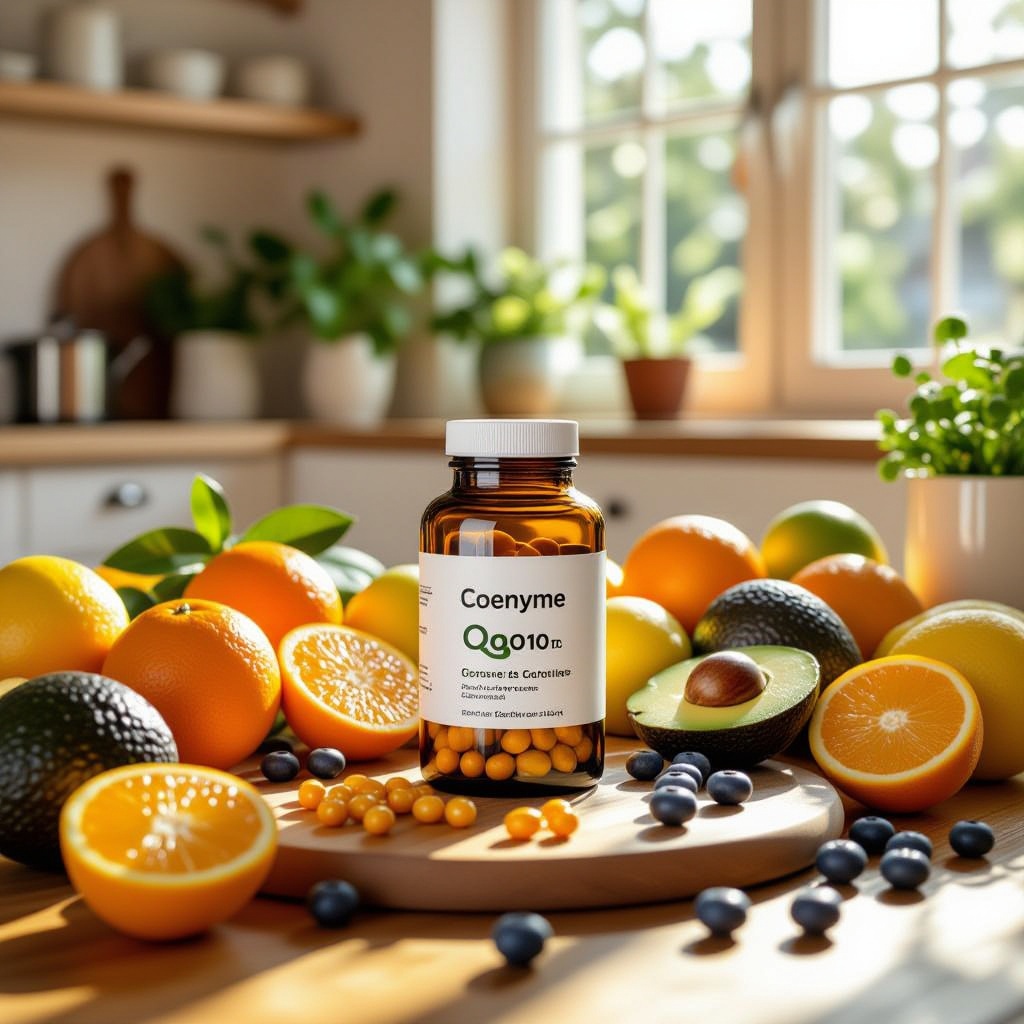
CoQ10, or Coenzyme Q10, is a naturally occurring antioxidant found in the body that plays a critical role in energy production and cellular health. Ferriss notes that while he does not personally take CoQ10 supplements, he acknowledges their importance, particularly for those on medications like statins or metformin, which may deplete the body's natural levels of CoQ10.
He introduces ibuprofen, a more absorbable version of CoQ10, which has been used in specific health contexts, including the case of Deanna Toadon, a patient with ALS. The Deanna Protocol, which involved ibuprofen, has been instrumental in stabilizing her condition.
Key Takeaways on CoQ10
- CoQ10 is essential for cardiovascular health.
- Ibuprofen is a stabilized form of CoQ10 and has specific medical applications.
- High doses of CoQ10 in animal studies raised concerns about potential kidney toxicity.
Other Notable Supplements
Ferriss mentions a short list of supplements that he considers vital for health and longevity:1. Creatine Monohydrate
Creatine has been a staple for Ferriss since his teenage years and is touted for its benefits in cognitive function, particularly in Alzheimer's disease. He recommends doses ranging from 10 to 20 grams per day, particularly for individuals experiencing sleep deprivation.
2. Vitamin D
Vitamin D is crucial for overall health, and Ferriss emphasizes the importance of monitoring levels through lab tests. He suggests maintaining levels between 60 to 80 ng/mL, as he has found his levels tend to be low despite adequate sun exposure.
3. Melatonin
Recognized as a neuroprotective antioxidant, melatonin is recommended for nighttime use to enhance sleep quality and overall health.
4. Omega-3 Fatty Acids
Although Ferriss does not take omega-3 supplements, he acknowledges their importance based on his personal testing. He suggests Nordic Naturals as a reputable brand for those who do not consume enough fish.
5. Exogenous Ketones
This emerging supplement is noted for its potential benefits, which may rival that of creatine in future applications.
Conclusion
As we navigate the world of dietary supplements, it's crucial to understand the roles they play in our health. CoQ10, creatine, vitamin D, melatonin, and omega-3 fatty acids are key players in this arena. While supplements can be beneficial, it is essential to assess individual needs and consult healthcare professionals before starting any new regimen.Key Takeaways
- CoQ10 is vital for cardiovascular health, especially for those on certain medications.
- Creatine can support cognitive function and recovery from sleep deprivation.
- Vitamin D levels should be monitored for optimal health.
- Melatonin serves as a neuroprotective antioxidant.
- Omega-3 fatty acids are crucial and can be supplemented if dietary intake is insufficient.
By being informed and proactive about our supplement intake, we can better support our health and longevity goals.