Eat Bread, Pasta, and Rice without Spiking Insulin
Thomas DeLauerPublished on August 3, 2026
Summary authored by editor@wellifi.com
TLDR Summary
You can manage insulin response by optimizing how and when you eat carbohydrates. Strategies include incorporating resistant starches, changing the order of meal consumption, moving after meals, and using psyllium husk.
Key Points
- The order of food consumption can significantly influence insulin response.
- Using resistant starches can slow glucose absorption.
- Physical activity post-meal helps muscles absorb glucose without insulin.
- Psyllium husk forms a gel barrier that slows glucose absorption.
Optimizing Carbs: How to Manage Insulin Response with Smart Eating
Have you ever wondered if you could enjoy your favorite carbs like rice, bread, and pasta without experiencing a dramatic spike in your insulin levels? It may surprise you to learn that the way you eat, what you pair your meals with, and even the timing of your meals can significantly influence your insulin response. In this article, we will explore how to optimize carbohydrate intake while still enjoying delicious foods.
Understanding Glucose Absorption
When you consume carbohydrates, the body breaks them down into glucose, which is then absorbed into the bloodstream. The speed of this absorption plays a crucial role in how much insulin your body needs to produce. The faster glucose enters the bloodstream, the harder insulin has to work. To effectively manage your glucose levels, it is important to target the entire absorption chain.
What Affects Glucose Absorption?
- Digestive enzymes—such as salivary amylase and pancreatic amylase—attack starches simultaneously.
- The presence of transporters like SGLT1 facilitates quick absorption through the intestinal lining.
- Foods low in fiber, fat, and protein, such as refined carbohydrates, result in rapid glucose spikes.
Strategies for Slowing Glucose Absorption
Here are effective methods to reduce the glycemic impact of carbohydrate-rich meals:
1. Incorporate Resistant Starches
Resistant starches behave more like fiber and resist digestion. By cooking and then cooling foods like rice, pasta, or potatoes, you can create resistant starches (RS2 and RS3) that produce less glucose upon digestion. For instance:
- Cook your rice or pasta, cool it in the fridge for 12-24 hours, and then consume.
- Combine cooled starches with naturally high-resistant starch sources like lentils or chickpeas.
2. Change the Order of Your Meal
Research shows that the sequence in which you eat your food can impact glucose response. Eating vegetables and protein before carbohydrates can lower post-meal glucose levels significantly:
- Start your meal with a few bites of veggies or salad.
- Follow with protein and fats, and finish with starchy carbohydrates.
3. Move After Eating
Engaging in light physical activity after meals can help your body manage glucose more effectively:
- Even a 5-10 minute walk activates GLUT4 transporters, helping muscles absorb glucose without the need for insulin.
- Incorporate isometric exercises, such as wall sits or holding a push-up position, for added benefit.
4. Utilize Psyllium Husk
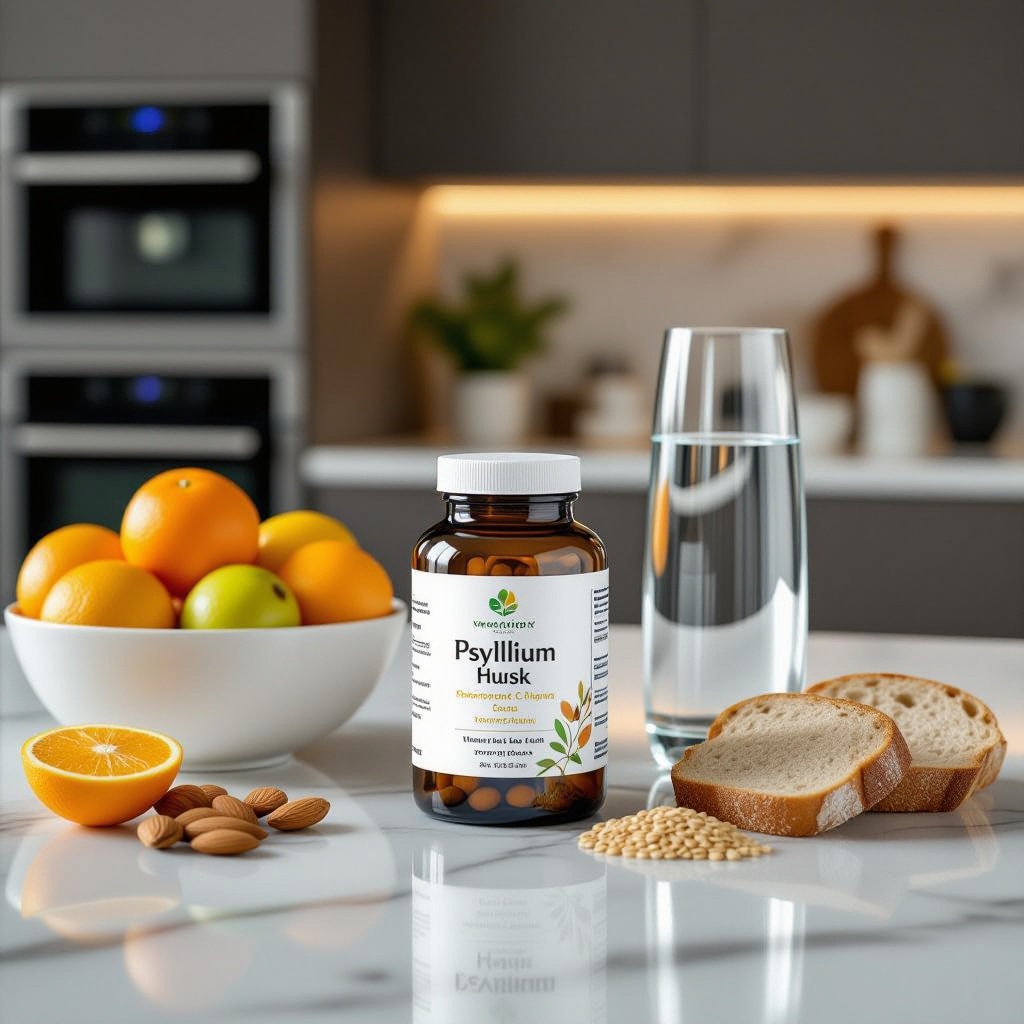
Psyllium husk forms a gel-like barrier in the gut that slows glucose absorption. Studies have shown that consuming 5-10g of psyllium husk before carb-heavy meals can significantly lower blood sugar levels:
- Mix psyllium husk with water and consume 5-10 minutes before your meal.
Additional Tips for Glucose Management
Consider incorporating the following into your meals:
- Apple cider vinegar: 1 tablespoon in water before meals can slow gastric emptying.
- Cinnamon: A sprinkle can enhance insulin receptor sensitivity.
- Lemon juice: Squeezed over starchy foods to inhibit enzyme activity that breaks down starches.
- Bitters: Foods like arugula or grapefruit can stimulate gut hormones that improve insulin function.
Conclusion
By employing these strategies—such as using resistant starches, changing meal order, moving post-meal, and incorporating psyllium husk—you can enjoy your favorite carbohydrate-rich foods while managing your insulin response more effectively. Remember, the goal isn't to eliminate carbs but to reduce the insulin cost associated with them. With these tips, you can create a more balanced approach to your meals and support your overall health.
For further insights on managing your diet and health, check out related videos and resources. Your journey towards smart eating starts here!