Is Mold Dangerous to Eat?
Dr. Eric Berg DCPublished on August 7, 2025
Summary authored by editor@wellifi.com
TLDR Summary
Mold and fungus can pose serious health risks, particularly when they disrupt the body's microbiome. Understanding the sources of harmful mold, preventive measures, and supportive supplements can help maintain overall health and mitigate these risks.
Key Points
- Mold on cheese is generally not harmful, unlike mold on other foods like peanuts and grains.
- Disruption of the microbiome can lead to overgrowth of harmful fungi and mold.
- Factors such as antibiotics, steroids, and stress can negatively impact immune function.
- Maintaining an acidic environment in the body can help inhibit mold and fungal growth.
- Supplements like activated charcoal, probiotics, and Vitamin D can support recovery and immune health.
The Health Impacts of Mold and Fungus: What You Need to Know
Mold and fungus are often viewed with suspicion, especially when they appear on food. Many people wonder if consuming moldy foods, particularly cheese, can negatively impact their health. In this article, we will explore the effects of mold and fungus on the body, how they interact with our microbiome, and what you can do to mitigate potential health risks.
Understanding Mold and Fungus in Food
While most people would avoid moldy bread, the presence of mold on cheese often raises questions. Fortunately, consuming mold from cheese is not harmful, as it does not produce the same toxins as other forms of mold found in foods like peanuts, rice, and corn. These toxins can severely impact liver function and may even lead to cancer.
Common Sources of Harmful Mold
- Moldy peanuts
- Moldy rice
- Corn
- Dried fruit
- Coffee
The Role of the Microbiome
Our bodies host a complex microbiome, primarily made up of beneficial bacteria that keep mold, yeast, and fungus in check. However, certain factors can disrupt this balance, leading to overgrowth of harmful organisms.
Factors That Disrupt the Microbiome
- Antibiotics: These medications kill bacteria but do not affect fungus, allowing them to proliferate.
- Steroids: Like prednisone, they can suppress the immune system and allow harmful organisms to thrive.
- Stress: Emotional stress can weaken your immune response, making you more susceptible to infections.
- Excess Iron: Consuming too much iron can feed pathogens.
- Alcohol: Yeast and fungi thrive on alcohol.
Preventing Mold and Fungal Overgrowth
To prevent the growth of mold and fungus, maintaining a healthy pH level in the body is crucial. An acidic environment inhibits the growth of these organisms, while an alkaline environment can promote their proliferation.
Dietary Recommendations
- Incorporate probiotic foods such as sauerkraut and kimchi.
- Consider consuming kombucha tea for its lactic acid content.
- Opt for dark roast coffee which has lower mold levels.
- Choose organic dairy and grass-fed products.
Supplements That May Help
To repair damage caused by mold and fungus, consider the following supplements:
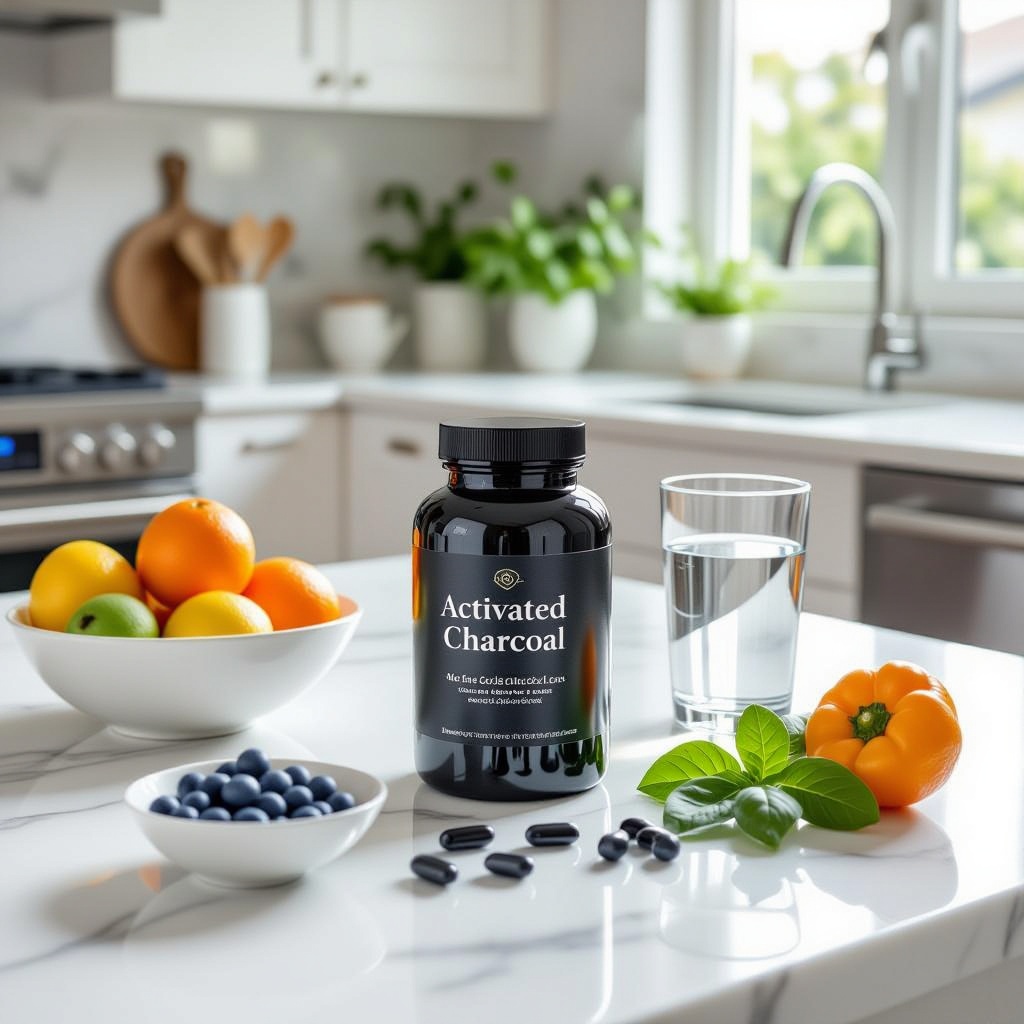
- Activated Charcoal: Helps absorb toxins.
- Bentonite Clay: Assists in detoxification.
- Chlorophyllin: Aids in neutralizing toxins.
- NAC (N-Acetyl Cysteine): Supports liver function.
- Propolis: A powerful anti-fungal and immune regulator.
- MCT Oil: Contains lauric acid that can combat fungal infections.
- Vitamin D: Important for immune function, best taken with magnesium and K2.
- Zinc: Supports thymus function and immune health.
- Selenium: Deficiency can lead to increased infection risk.
Conclusion
Mold and fungus can quietly hijack your health, leading to a range of issues if not kept under control. Understanding how these organisms interact with your microbiome and what dietary and supplemental measures you can take is essential for maintaining a healthy body. By being mindful of what you consume and taking proactive steps to support your immune system, you can effectively manage the risks associated with mold and fungus.