PCOS, Endometriosis & Inflammation: Why You’re Not Getting Pregnant
Dr. Jolene BrightenPublished on April 16, 2026
Summary authored by editor@wellifi.com
TLDR Summary
The video discusses the complex factors influencing fertility, emphasizing that age is not the only determinant. Key points include the importance of egg quality, managing inflammation, and utilizing specific supplements to support fertility.
Key Points
- Fertility involves both egg quantity and quality, not just age.
- Chronic inflammation can create a hostile environment for conception.
- CoQ10 is beneficial for improving egg quality.
- Regular exercise and a nutrient-dense diet help manage inflammation.
- Reducing exposure to environmental toxins supports reproductive health.
Science-Backed Ways to Support Your Fertility
In today's episode of the Dr. Brighton Show, we're diving into the science behind supporting fertility. Many women hear the same narrative: "You're too old to conceive." But as a woman who has successfully had children at 40 and 41, I can tell you that age is just one piece of the puzzle. While it does play a role, the conversation about fertility is far more complex than simply counting years. This article will explore the distinction between egg quantity and quality, how inflammation impacts fertility, and the vital steps you can take to improve your chances of conception.
Understanding Egg Quantity vs. Quality
Egg quantity refers to the number of eggs a woman has left, which can be estimated using anti-Müllerian hormone (AMH) levels. In contrast, egg quality pertains to the likelihood of those eggs fertilizing and leading to a healthy pregnancy. It's crucial to understand that fertility does not abruptly decline at age 35; rather, it gradually decreases over time, with around 35% of a woman’s eggs being lower quality by this age.
Myths About Age and Fertility
It's a common misconception that men can father children indefinitely. However, male fertility also declines with age, starting in their 40s, which can affect conception chances and the health of both mother and baby.
Focus Beyond Age
Age is not the sole factor in fertility. Conditions such as endometriosis and PCOS can disrupt ovulation and create additional hurdles for conception. It's essential for women to understand that unexplained infertility often hides underlying issues that need to be addressed rather than attributing challenges solely to age.
The Role of Inflammation in Fertility
Chronic inflammation can create an unwelcoming environment for conception. It can disrupt hormonal signaling, affect ovulation, and create conditions that hinder embryo implantation. Factors contributing to chronic inflammation include poor diet, high stress, and lack of sleep.
Key Strategies to Reduce Inflammation
- Adopt an anti-inflammatory diet rich in colorful produce and healthy fats.
- Regular exercise to improve blood sugar regulation and reduce stress.
- Focus on improving sleep quality, as it is crucial for hormonal balance.
Essential Supplements for Fertility
As you navigate your fertility journey, certain supplements can be beneficial:
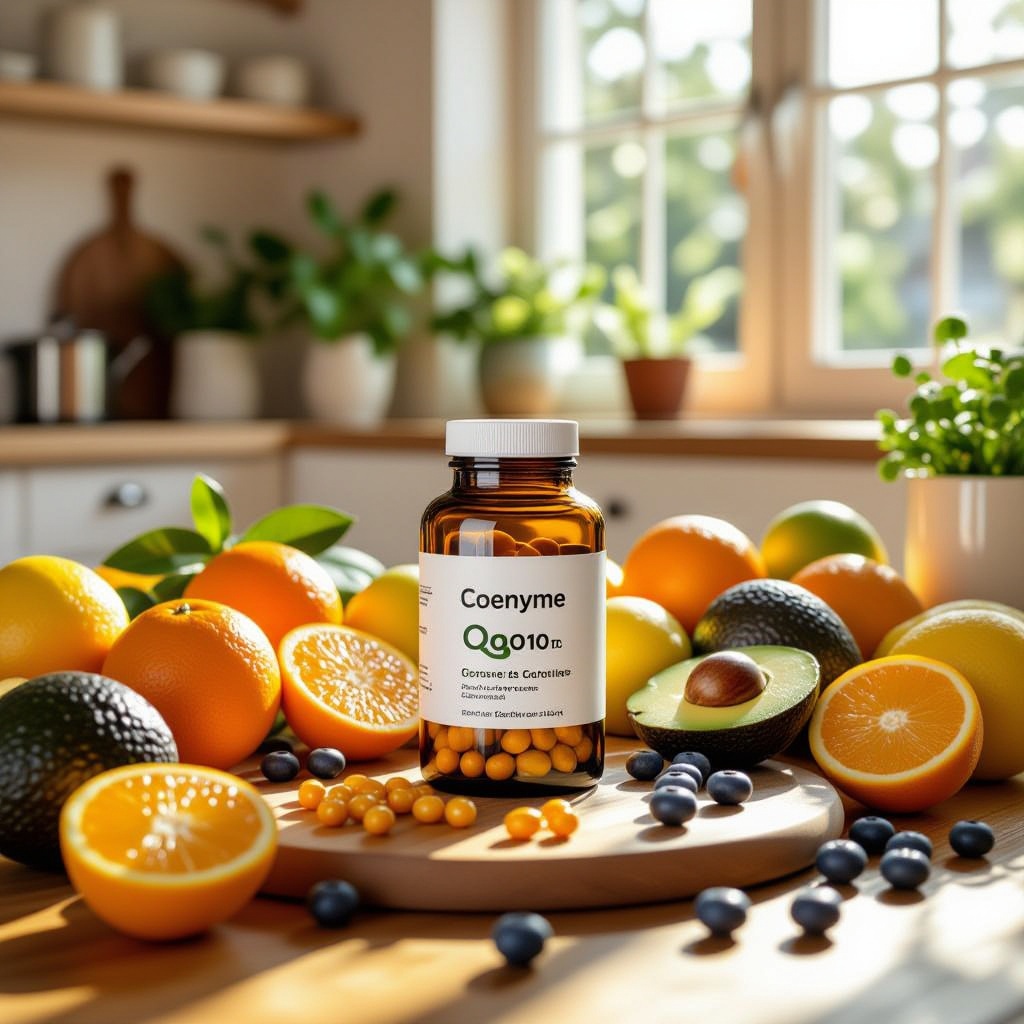
- CoQ10: Ranges from 200 to 600 mg; it boosts mitochondrial energy and may improve egg quality.
- Myo-inositol: Especially helpful for women with PCOS; typically taken at 2g one to two times a day.
- N-acetylcysteine (NAC): Commonly used for PCOS and endometriosis; recommended dose is 600 mg three times a day.
- Omega-3 Fatty Acids: Important for reducing inflammation; aim for 2,000 to 4,000 mg daily.
- Vitamin D: Important for hormonal balance; supplementation should be based on blood tests.
- NAD (NMN): A precursor to NAD; emerging research suggests it may support fertility.
Addressing Lifestyle Factors
It's important to focus on stress management, nutrition, and movement:
- Aim for consistent sleep patterns and at least 7-9 hours of sleep.
- Implement stress-reducing practices such as mindfulness or gentle exercise.
- Prioritize a nutrient-dense diet, ensuring you include protein, fiber, and healthy fats.
Environmental Toxins and Fertility
Reducing exposure to environmental toxins is crucial for fertility. Here are some tips:
- Minimize the use of plastics in food storage and cooking.
- Improve air quality in your home by using air purifiers.
- Buy organic produce when possible to reduce pesticide exposure.
Conclusion
Fertility is a multifaceted issue that extends beyond age alone. By understanding the roles of egg quantity and quality, inflammation, and lifestyle factors, you can take actionable steps to support your fertility. Prioritize consistent sleep, manage stress, maintain a healthy diet, and consider supplements like CoQ10 and omega-3s to enhance your reproductive health. Remember, it's about creating a supportive environment for your body to thrive. If you've been struggling with fertility, consult a reproductive endocrinologist who can provide tailored guidance based on your unique circumstances.