Peptides: Hype or Miracle? | Lifespan with Dr. David Sinclair - S2, Ep. 11
LifespanPublished on October 18, 2026
Summary authored by editor@wellifi.com
TLDR Summary
David Sinclair discusses the potential of peptides in promoting longevity and improving health, emphasizing the need for scientific validation and caution due to the unregulated market of peptide products.
Key Points
- Peptides are gaining attention for their possible role in longevity and health improvement.
- GHK-Cu, Epitalon, and Apelin are among the peptides being researched.
- Consumer caution is advised due to the unregulated nature of many peptide products.
- Consultation with a healthcare provider is crucial before starting any peptide therapy.
Exploring Peptides for Longevity: Insights from David Sinclair
In recent discussions on health and longevity, peptides have emerged as a hot topic, particularly in the realm of age-related health improvement. In this blog post, we’ll delve into the insights shared by David Sinclair, a prominent scientist, as he explores the potential of peptides in extending lifespan and enhancing health.
Understanding Peptides
Peptides are short chains of amino acids that play crucial roles in various biological functions. Sinclair emphasizes that many peptides have been overlooked in scientific research over the past two decades, yet they may hold the key to prolonging our lifespan. Key aspects of peptides include their ability to enhance communication between cells, promote stem cell rejuvenation, and potentially increase telomere length—the protective caps at the ends of chromosomes that shorten as we age.
The Rise of Peptides in Health
With the recent popularity of GLP-1 drugs, which are a type of peptide used for weight management and diabetes treatment, there has been a societal shift towards accepting peptide therapy. Sinclair discusses how this acceptance has led to a surge in interest surrounding various wellness peptides. However, he cautions that while some peptides are backed by scientific evidence, others remain unverified and could be merely hype.
Current Research on Peptides
Sinclair highlights several key peptides that are being studied for their potential health benefits:
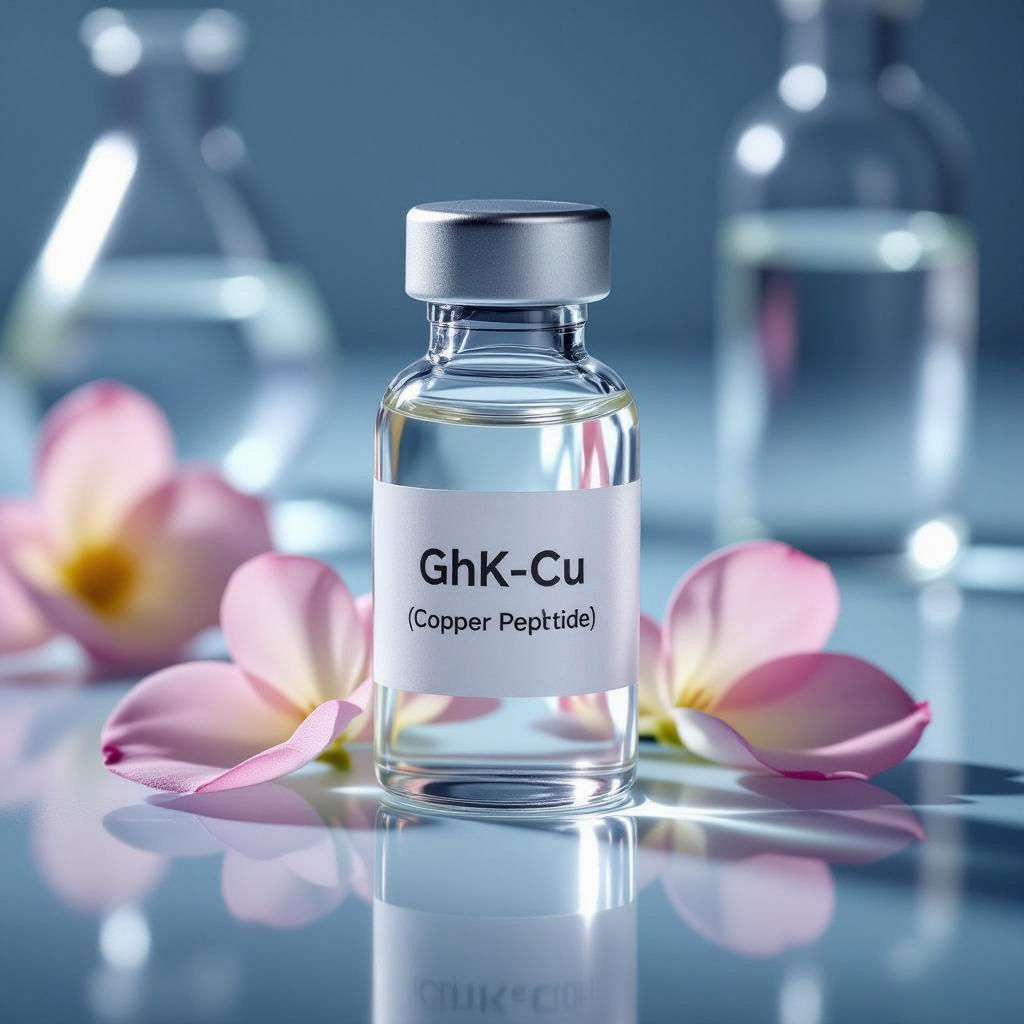
- GHK-Cu: A copper-binding peptide that may support skin healing and tissue regeneration.
- Epitalon: Suggested to increase telomere length, though human studies are limited.
- Apelin: Associated with muscle health and metabolic improvements, particularly in older adults.
Each of these peptides shows promise but also requires further research to confirm their efficacy and safety in humans.
Benefits and Risks of Peptides
While many peptides are naturally occurring in the body and have been used in medicine for years, Sinclair points out that the market is flooded with unregulated peptides, often sold for research purposes. Consumers should be cautious, as the long-term safety of many of these compounds is still unknown. Consulting with a healthcare provider is essential before embarking on peptide therapy.
Conclusion
The exploration of peptides for health and longevity is an exciting frontier in medical science. As research evolves, we may uncover more about their potential to aid in aging, improve recovery, and enhance overall wellness. Sinclair's insights remind us of the importance of scientific evidence in evaluating health trends.
Key Takeaways
- Peptides are gaining attention for their possible role in longevity and health improvement.
- GHK-Cu, Epitalon, and Apelin are among the peptides being researched.
- Consumer caution is advised due to the unregulated nature of many peptide products.
- Consultation with a healthcare provider is crucial before starting any peptide therapy.