The Crazy Relationship Between Protein & GLP-1! - Dr. Rupy Aujla
Max LugaverePublished on August 7, 2025
Summary authored by editor@wellifi.com
TLDR Summary
GLP-1 drugs are effective in reducing appetite, but they can lead to nutrient deficiencies if not accompanied by a balanced diet rich in protein and fiber. Emphasizing the importance of healthy eating habits and lifestyle changes is key to achieving sustainable weight management.
Key Points
- GLP-1 is a hormone that regulates appetite and is stimulated by protein and fiber intake.
- GLP-1 drugs can effectively reduce appetite but may lead to underconsumption of essential nutrients.
- Maintaining a diet high in protein and fiber is crucial for those using GLP-1 medications.
- Psyllium husk is a beneficial fiber supplement that can support gut health and weight management.
- Education on dietary habits is necessary for the effective use of GLP-1 drugs.
The Relationship Between Protein, Fiber, and GLP-1: A Revolutionary Approach to Weight Loss
In recent years, there has been a surge of interest in GLP-1 (glucagon-like peptide-1) drugs, which are making waves as effective weight loss medications. Understanding the connection between protein intake, fiber consumption, and the role of GLP-1 can provide valuable insights into managing appetite and overall health. In this blog post, we will explore these relationships and discuss the implications for long-term health and weight management.
What is GLP-1?
GLP-1 is a naturally occurring peptide hormone that plays a crucial role in regulating appetite and glucose metabolism. When you consume protein and fiber, these nutrients signal the release of GLP-1, which then communicates with the brain to suppress appetite and reduce the production of ghrelin—often referred to as the "hunger hormone." This natural feedback loop is essential for maintaining a balanced diet and healthy eating habits.
How GLP-1 Drugs Work
Recent advancements in pharmacology have led to the development of GLP-1 drugs that provide macro pharmaceutical doses of this hormone. These medications effectively induce a state of anorexia, significantly reducing appetite and caloric intake. While these drugs can be beneficial for individuals struggling with obesity or related health conditions, there are concerns regarding their use, particularly among those who are only mildly overweight.
The Importance of Protein and Fiber
Protein and fiber are two macronutrients that significantly influence GLP-1 production. A diet rich in protein and fiber can naturally stimulate the production of GLP-1, leading to improved satiety and reduced hunger. Shifting from ultra-processed foods to whole foods that are high in fiber can also enhance your body's ability to regulate appetite.
Fiber Supplements vs. Whole Food Sources
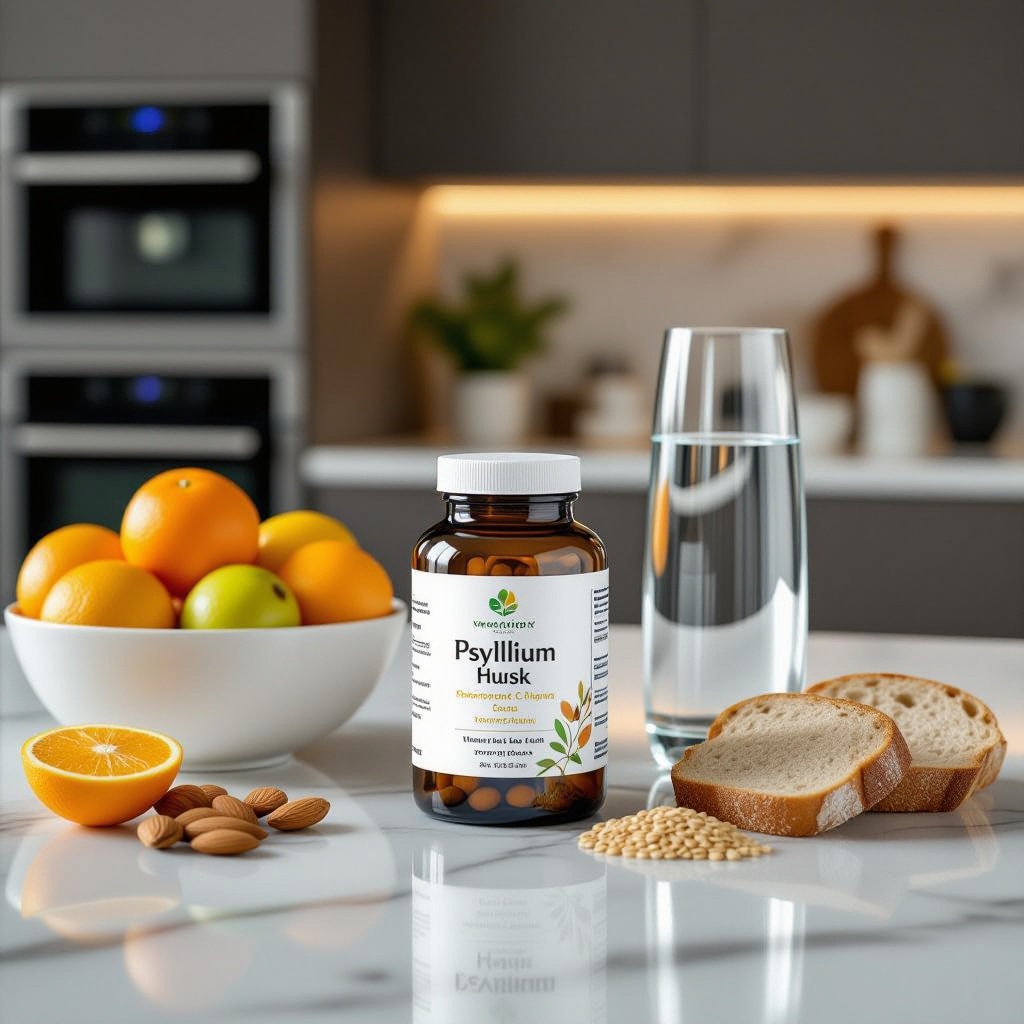
While fiber supplements, such as inulin and psyllium husk, can provide benefits, it is generally recommended to obtain fiber from whole food sources. Foods like green leafy vegetables, legumes, nuts, and seeds contain various types of fiber that support gut health and microbial diversity. Psyllium husk, in particular, has shown promise in improving weight control and gut health due to its soluble fiber content.
Considerations When Using GLP-1 Drugs
One of the main concerns regarding GLP-1 drugs is the risk of underconsuming essential nutrients, particularly protein. Insufficient protein intake can lead to sarcopenia, a progressive loss of muscle mass and strength that occurs with aging. It is crucial for individuals on GLP-1 medications to maintain a balanced diet that includes adequate protein and engage in resistance training to preserve muscle mass.
Conclusion
GLP-1 drugs represent a powerful tool in the fight against obesity and metabolic diseases. However, it is essential to approach their use thoughtfully, with an emphasis on maintaining a balanced diet rich in protein and fiber. Educating patients about the importance of nutrition and lifestyle changes alongside pharmaceutical interventions can lead to more sustainable health outcomes.
Key Takeaways
- GLP-1 is a hormone that regulates appetite and is stimulated by protein and fiber intake.
- GLP-1 drugs can effectively reduce appetite but may lead to underconsumption of essential nutrients.
- Maintaining a diet high in protein and fiber is crucial for those using GLP-1 medications.
- Psyllium husk is a beneficial fiber supplement that can support gut health and weight management.
- Education on dietary habits is necessary for the effective use of GLP-1 drugs.
TLDR Summary: GLP-1 drugs are effective in reducing appetite, but they can lead to nutrient deficiencies if not accompanied by a balanced diet rich in protein and fiber. Emphasizing the importance of healthy eating habits and lifestyle changes is key to achieving sustainable weight management.