This Drops Inflammation More Than NSAIDS (why haven't we heard this)
Thomas DeLauerPublished on July 15, 2026
Summary authored by editor@wellifi.com
TLDR Summary
This article explores natural alternatives to NSAIDs for managing inflammation, focusing on the combined effects of ginger, curcumin, and omega-3 fatty acids, alongside lifestyle changes like moderate exercise. This holistic approach targets inflammation from multiple angles for better long-term results.
Key Points
- Ginger targets inflammation through enzyme inhibition and gene expression suppression.
- Curcumin enhances antioxidant defense systems and reduces oxidative stress.
- Omega-3 fatty acids lower inflammatory biomarkers and support heart health.
- Zone two exercise can further reduce inflammation and improve overall health.
- A holistic approach combining these compounds may be more effective than NSAIDs.
The Power of Natural Anti-Inflammatories: A Comprehensive Guide
In recent years, many individuals have started to reconsider their reliance on NSAIDs (non-steroidal anti-inflammatory drugs) for managing inflammation and pain. One compelling alternative that has emerged is a natural approach utilizing specific compounds that target inflammation from multiple angles. In this article, we will explore the effectiveness of ginger, curcumin, and omega-3 fatty acids, alongside a lifestyle approach to combat inflammation effectively.
Why I Stopped Taking NSAIDs
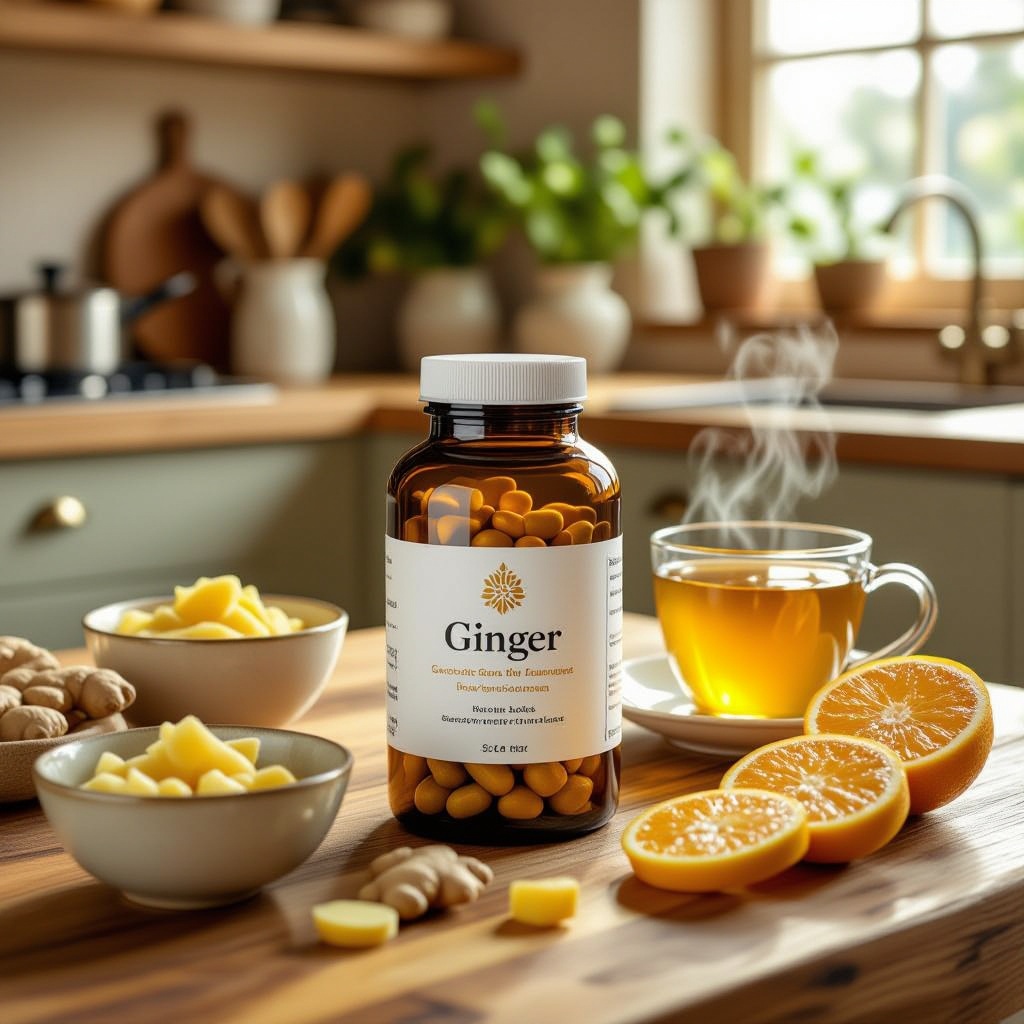
While NSAIDs are effective in reducing stiffness, achiness, and inflammation, there are natural alternatives that offer more holistic benefits. Specifically, a dried powder, namely ginger, has been shown to impact inflammation through dual mechanisms, making it a strong contender against NSAIDs.
The Anti-Inflammatory Power of Ginger
According to a review published in the International Journal of Preventive Medicine, ginger possesses remarkable anti-inflammatory and antioxidant properties through two distinct pathways:
1. Enzyme Inhibition
Ginger contains active compounds like gingerols and shogaols, which inhibit specific enzymes responsible for producing inflammatory mediators such as prostaglandins and leukotrienes. These chemicals are responsible for pain and swelling, making ginger a powerful ally in managing conditions like osteoarthritis.
2. Gene Expression Suppression
Ginger also suppresses nuclear factor kappa B (NF-kB), a master transcription factor that activates the inflammatory gene expression program in the body. By blocking this pathway, ginger not only mitigates inflammation at a symptomatic level but also addresses the root cause of inflammation.
Stacking Compounds for Enhanced Effects
While ginger is an excellent starting point, combining it with other compounds can lead to even greater anti-inflammatory effects.
Curcumin: The Powerful Companion
Curcumin, the active compound in turmeric, has been extensively studied for its anti-inflammatory effects. A 2024 meta-analysis indicated that curcumin, especially when combined with piperine (black pepper), enhances the body's antioxidant defense systems by increasing glutathione levels and reducing oxidative stress.
Omega-3 Fatty Acids: Completing the Triad
Omega-3 fatty acids are another crucial component of this anti-inflammatory stack. Studies have shown that omega-3 intake is linked to lower inflammatory biomarkers, particularly in patients with chronic conditions such as diabetes and cardiovascular disease. Omega-3s also work synergistically with ginger and curcumin by targeting inflammatory markers at different levels.
Incorporating Lifestyle Changes
In addition to these compounds, adopting a lifestyle that includes regular moderate exercise, often referred to as zone two exercise, can significantly enhance anti-inflammatory effects. Research indicates that sustained moderate activity can reduce visceral fat, a known source of inflammatory cytokines, and reprogram immune response to be less reactive.
Conclusion: A Sustainable Approach to Inflammation
While NSAIDs may provide quick relief, they often come with a range of side effects. On the other hand, ginger, curcumin, and omega-3 fatty acids, combined with a lifestyle change, offer a holistic and sustainable approach to managing inflammation. Consistency is key; committing to these natural alternatives over a period of six to eight weeks may yield significant benefits.
For those interested in further exploring the topic of neuroinflammation, check out our detailed analysis on how to combat brain inflammation effectively.