What Warts Are Really Telling You About Your Immune System | Dr. Will Cole AMA
Dr. Will ColePublished on September 3, 2026
Summary authored by editor@wellifi.com
TLDR Summary
This post discusses skin issues such as cold-induced hives and warts, focusing on their underlying causes, management strategies, and holistic approaches. Understanding these conditions can empower individuals to take control of their health and well-being.
Key Points
- Cold urticaria is an allergic reaction causing severe hives in response to cold exposure.
- Histamine intolerance involves excessive histamine release and can affect individuals with or without autism.
- Management strategies include antihistamines and natural mast cell stabilizers.
- Warts may indicate underlying immune dysfunction and are typically caused by HPV.
- Topical treatments and natural remedies can help manage warts and support overall skin health.
Understanding Skin Issues: From Hives to Warts
Introduction
In this blog post, we will explore common skin issues, specifically hives related to cold exposure and warts. Dr. Will Cole discusses the underlying causes, potential treatments, and holistic approaches to managing these conditions. With a focus on healing and understanding the body’s responses, we aim to empower readers with the knowledge to take charge of their health.
Cold-Induced Hives: A Mysterious Condition
One listener, a concerned parent, shared her experience with her son, who developed severe hives when exposed to cold air or water. This condition, known as cold urticaria, is an allergic reaction characterized by the release of histamine, leading to redness, itching, and swelling of the skin.
Understanding Histamine Intolerance
Histamine intolerance and mast cell activation syndrome (MCAS) can cause excessive histamine release in response to various stimuli, including cold temperatures. Dr. Cole explains that these conditions are not exclusive to autism spectrum disorder (ASD) but can affect many individuals.
Potential Causes
- Genetic and epigenetic factors influencing immune response
- Environmental toxins and nutrient deficiencies
- Stress and trauma affecting nervous system regulation
Management Strategies
For immediate relief, antihistamines such as Benadryl can help manage symptoms. However, it's crucial to address the root causes of mast cell dysregulation. Dr. Cole suggests:
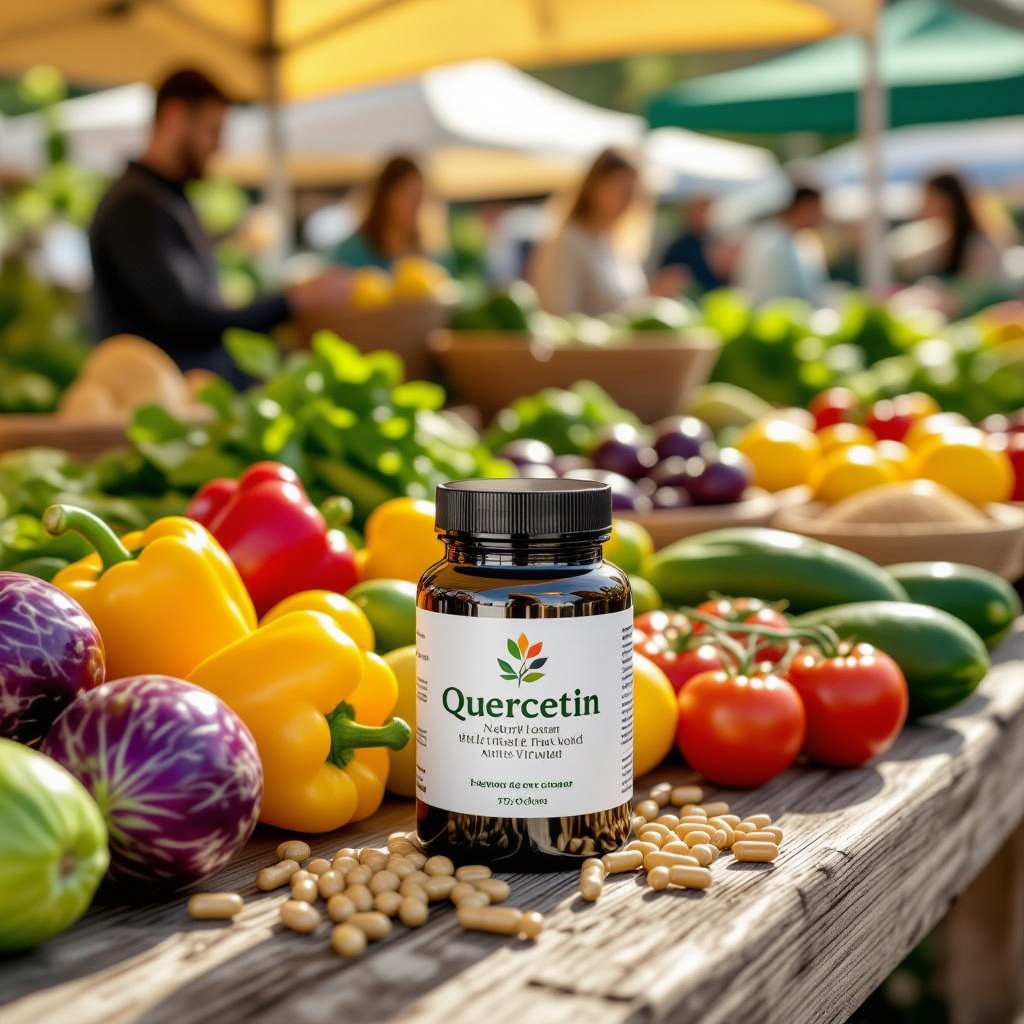
- Natural compounds like quercetin, stinging nettle, and vitamin C for mast cell stabilization
- Maintaining temperature control and avoiding triggers during the healing process
- Practicing grounding, breathwork, and other techniques to support the parasympathetic nervous system
Warts: What They Reveal About Our Health
Another listener, named Zoe, described her struggle with warts on her hands. While commonly perceived as contagious, warts are often caused by human papillomavirus (HPV) and may indicate an underlying issue with the immune system.
Signs of Underlying Health Issues
Dr. Cole emphasizes that warts can serve as "check engine lights" for the body, indicating a need for deeper investigation into overall health. Factors to consider include:
- Immune system efficacy and possible viral persistence
- Genetic predispositions affecting immune response
- Environmental exposures and skin barrier integrity
Holistic Management Approaches
To treat warts effectively, a combination of topical and internal strategies may be beneficial:
- Topical treatments using beta hydroxy acids (BHAs) like salicylic acid to exfoliate and promote healing
- Natural remedies such as tea tree oil, garlic paste, and propolis to support skin health and combat viral infections
- Ensuring adequate nutrient intake, particularly zinc and vitamins that bolster immune function
Conclusion
Both hives and warts can be distressing skin issues but understanding their underlying causes can provide insight into overall health. A holistic approach, focusing on both immediate relief and long-term health, can lead to effective management. Always consult with a healthcare professional for personalized advice and treatment options.