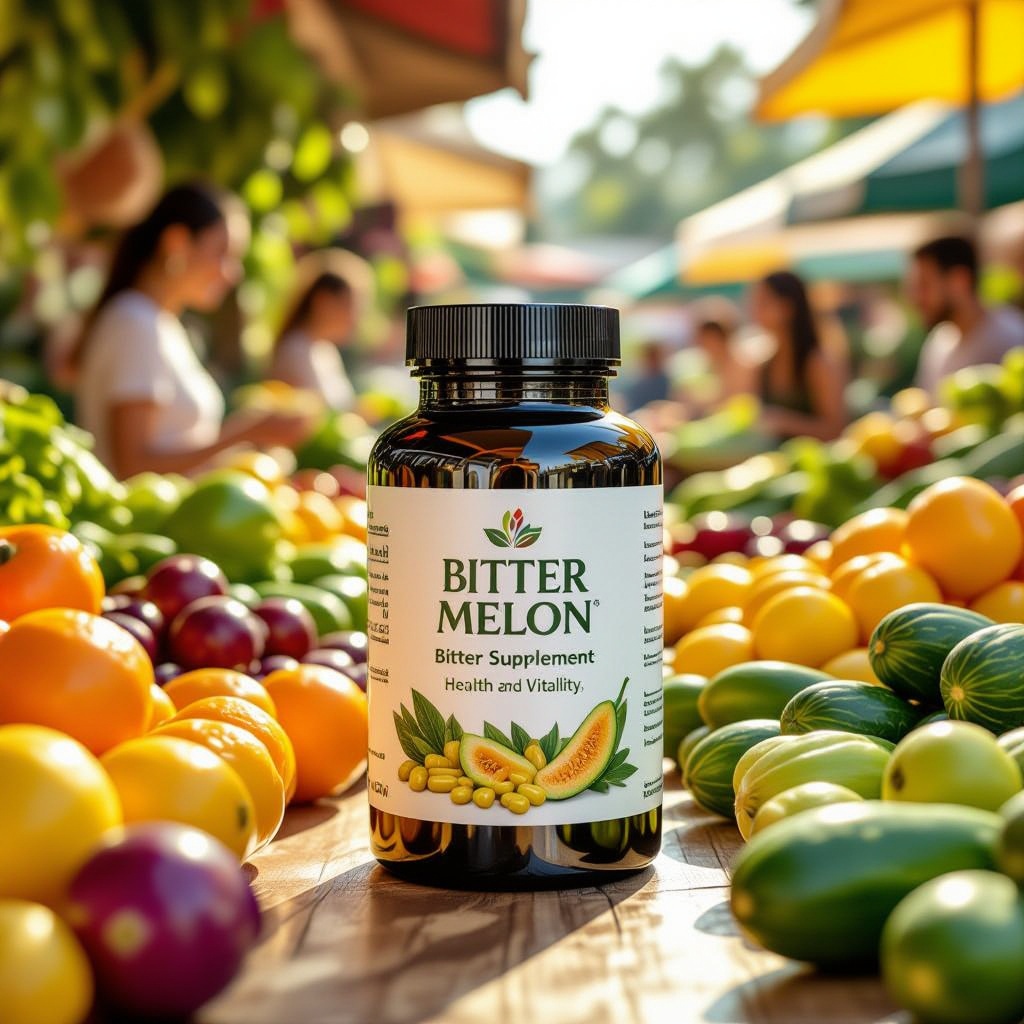
Why I Don’t Take Bitter Melon
Glucose GoddessPublished on June 4, 2025
Summary authored by editor@wellifi.com
TLDR Summary
Bitter melon has been evaluated for its effectiveness in managing blood sugar levels in type 2 diabetes, with mixed findings. While one study found no significant impact, another observed a minor improvement in HbA1c levels. However, the evidence is considered too weak to support the daily supplementation of bitter melon for diabetes management.
Key Points
- Bitter melon has been studied for its potential effects on blood glucose levels in type 2 diabetes.
- A systematic review and meta-analysis concluded that bitter melon did not significantly lower HbA1c or blood sugar compared to a placebo.
- Another study found a slight reduction in HbA1c levels with bitter melon supplementation, but deemed it too minimal to justify daily use.
- Current scientific evidence suggests limited potential of bitter melon in managing diabetes.
Bitter Melon and Blood Sugar: A Closer Look
Among the various natural remedies touted for managing diabetes, bitter melon stands out as a subject of interest and debate. Derived from a fruit known for its distinctively sharp taste, bitter melon has been the focus of scientific scrutiny, particularly regarding its effects on blood glucose levels. This post delves into the findings of major studies to shed light on the efficacy of bitter melon supplements for individuals with type 2 diabetes.
The Research on Bitter Melon
One pivotal study that often comes into discussion is titled "The Effect of Bitter Melon in Patients with Diabetes: A Systematic Review and Meta-analysis." This comprehensive review assessed the collective data from various research efforts examining bitter melon's impact on glucose management. The conclusion drawn by the scientists was quite clear: supplementing with bitter melon for 4 to 12 weeks did not significantly lower HbA1c or blood sugar levels in people with type 2 diabetes, compared to a placebo.
However, the narrative took a slight turn with another review, "Effectiveness and Safety of Ayurvedic Medicines in Type 2 Diabetes: A Systematic Review and Meta-analysis." This study expanded its scope to include a variety of plants used in Ayurvedic medicine, among them bitter melon. The findings indicated a minor improvement, with bitter melon reducing HbA1c by 0.3%. Though a reduction, the change was deemed too minimal to advocate for the daily use of bitter melon supplements, especially considering the management of diabetes.
Conclusion
The quest for natural alternatives to manage blood sugar levels in type 2 diabetes continues to gain momentum. Bitter melon, despite its popularity in traditional medicine, shows limited potential based on current scientific evidence. While a slight improvement in HbA1c levels was observed, it may not be substantial enough to warrant its regular supplementation. As always, individuals should consult healthcare professionals when considering the incorporation of any supplement into their diabetes management plan.
Related Supplement