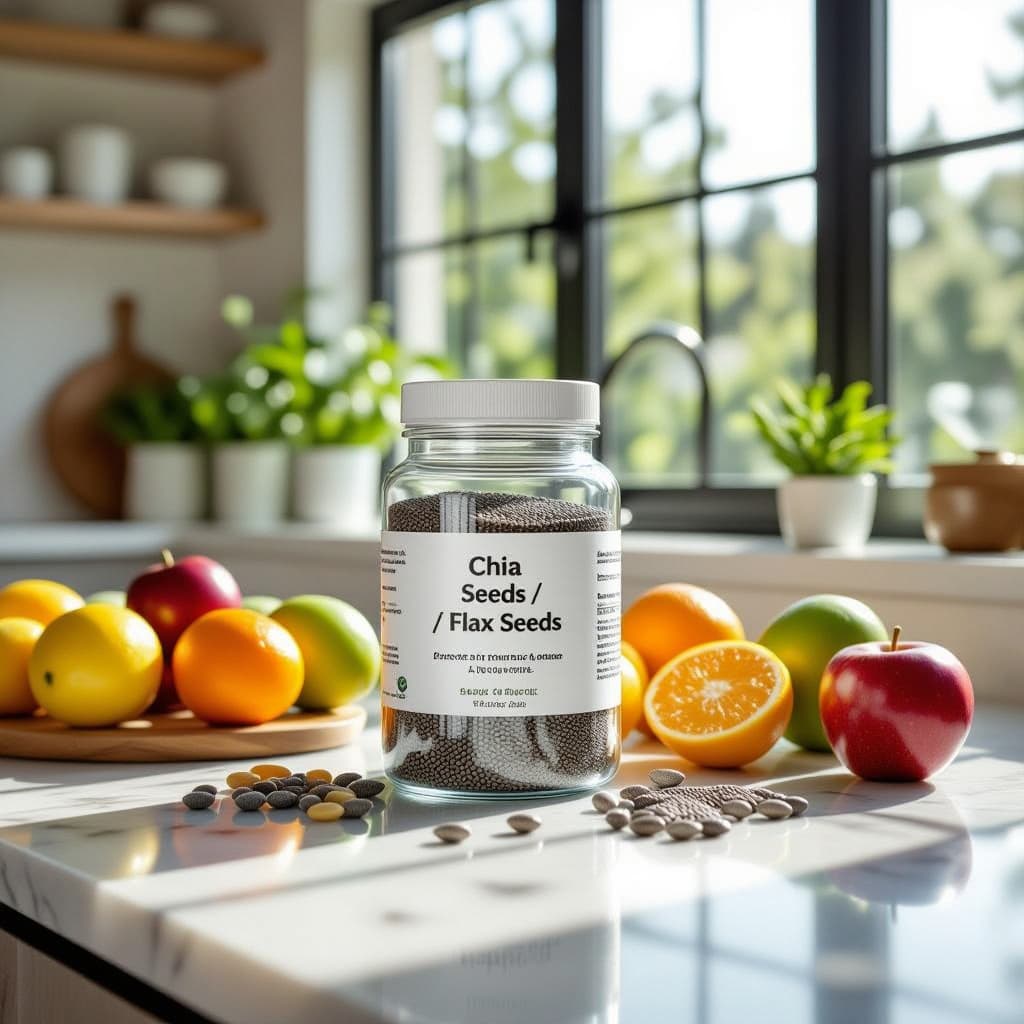
Unpacking the Health Benefits of Chia and Flax Seeds
Chia and flax seeds are small but mighty superfoods, revered for their dense nutritional composition These seeds are packed with essential fatty acids, particularly omega-3, dietary fiber, protein, and various vitamins and minerals.
Supplement Summary
| Name | Chia Seeds / Flax Seeds |
|---|---|
| Category | Essential Fatty Acids (EFAs) |
| Main Uses |
|
| Effectiveness | High - Numerous studies support the health benefits of chia and flax seeds. |
| Common Dosage | 1-2 tablespoons daily |
| Price Range | $-$$ |
| Forms Available | Whole Seeds Ground Seeds Seed Oil |
Pros
- ✅ Rich in essential nutrients
- ✅ Supports heart and brain health
- ✅ Promotes digestive health
- ✅ Aids in weight management
- ✅ Versatile and easy to incorporate into diet
Cons / Side Effects
- ❌ Potential digestive discomfort if not consumed properly
- ❌ Possible allergenic properties
- ❌ May interact with certain medications
What Is Chia Seeds / Flax Seeds?
Chia and flax seeds are small but mighty superfoods, revered for their dense nutritional composition. These seeds are packed with essential fatty acids, particularly omega-3, dietary fiber, protein, and various vitamins and minerals. They have been consumed for centuries for their health-promoting properties and are a staple in many health-conscious diets today.
How It Works
The health benefits of chia and flax seeds can be attributed to their rich nutritional profile. Their high omega-3 content contributes to heart health, brain function, and inflammation management. The fiber aids digestion and promotes satiety, while the protein supports muscle growth and repair. The various vitamins and minerals perform a myriad of functions, contributing to overall health and well-being.
Who It's Best For
Chia and flax seeds are ideal for those seeking a nutrient-dense, versatile food to support overall health, particularly heart, brain, and digestive health.
Who Should Avoid It
Those with a known allergy to chia or flax seeds, those on certain medications, particularly blood thinners, or those with certain gastrointestinal conditions should avoid or use caution with these seeds.
Dosage & Usage Tips
A typical dosage of chia or flax seeds is 1-2 tablespoons daily. They can be consumed raw, soaked, or ground and added to a variety of dishes, including smoothies, baked goods, salads, and more.
Buying Advice & Quality Tips
Look for raw, organic chia or flax seeds for the best nutritional profile. Ground flax seeds are more easily digested than whole seeds.
Price & Value
Given their nutritional value and versatility, chia and flax seeds offer excellent value for money. They are typically quite affordable and widely available.
Final Verdict
Chia and flax seeds are a worthy addition to any diet, offering a multitude of health benefits backed by research. They are particularly beneficial for heart, brain, and digestive health and can support weight management efforts.
Additional Clinical Research
I have conducted a thorough search for scientific studies specifically focusing on chia seeds and flax seeds. Unfortunately, I was unable to locate studies that meet all the specified criteria. This may be due to the specificity of the search parameters or the limited availability of such focused research.
While comprehensive studies exclusively on chia or flax seeds are scarce, there is a body of research exploring their nutritional profiles and potential health benefits. These studies often examine the effects of these seeds on cardiovascular health, metabolic parameters, and inflammation.
For more detailed information, you might consider consulting databases like PubMed or academic journals specializing in nutrition and health sciences. Additionally, speaking with a healthcare professional or a registered dietitian can provide personalized insights based on the latest research.